Skip to content
3arabawy
3arabawy

Hossam el-Hamalawy

  • Home
  • About
  • Archive
  • Blog
  • Photos
  • Books
3arabawy

Hossam el-Hamalawy

Category: Blog

Egyptian Strikes: More than bread and butter

Posted on 07/05/200807/01/2021 By 3arabawy

My feature on the labor movement, in the British Socialist Review, is now available online:

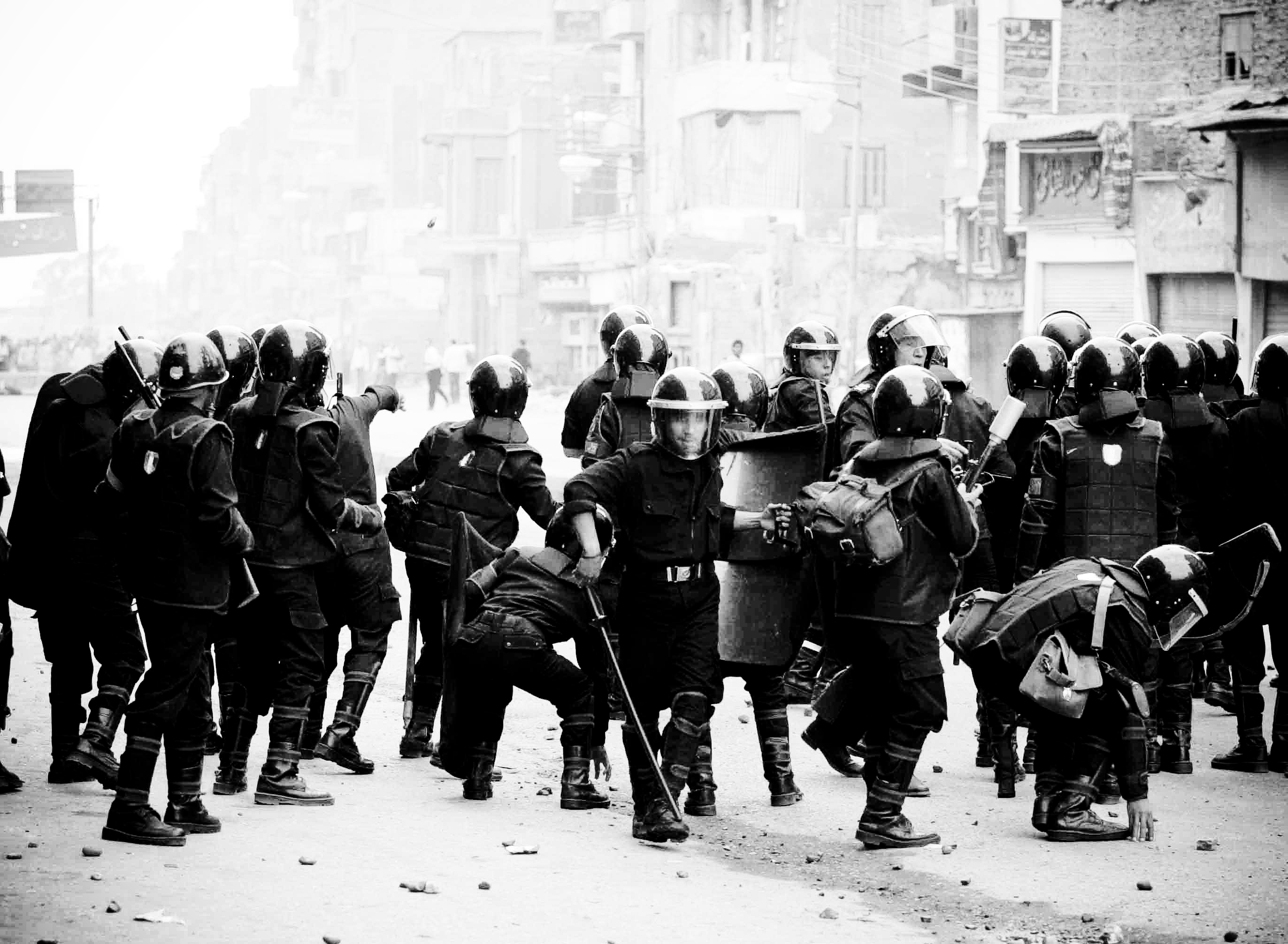
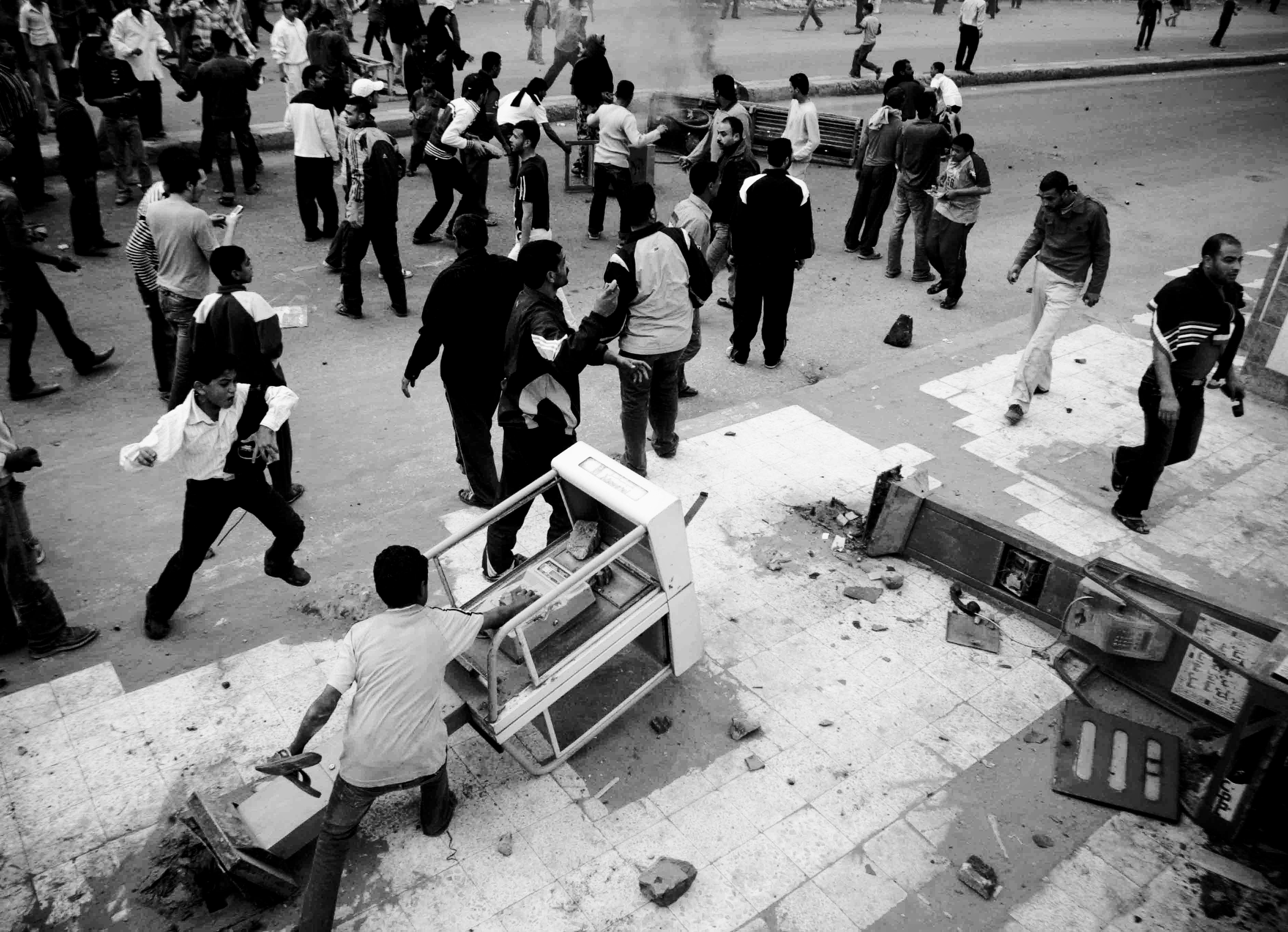
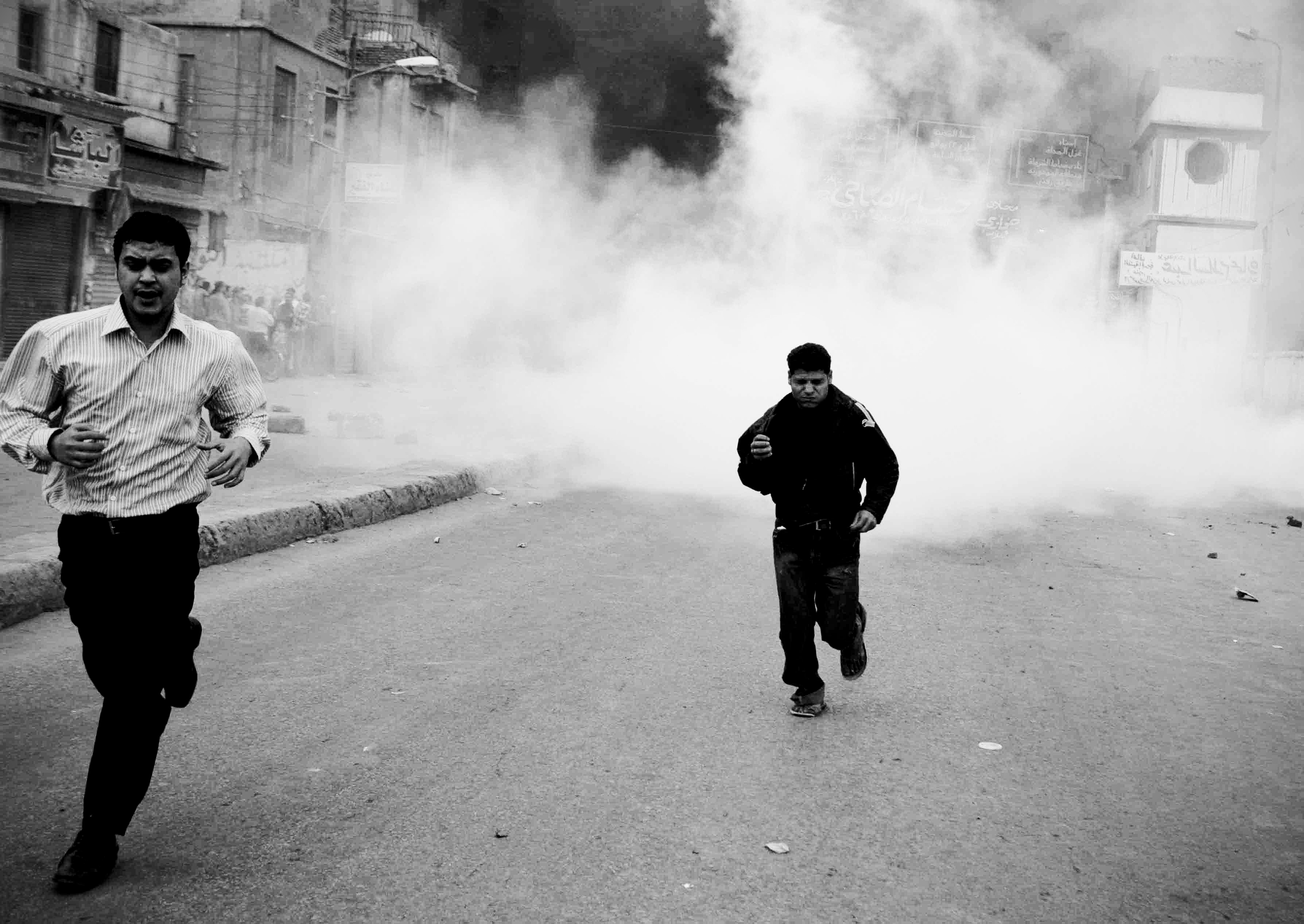
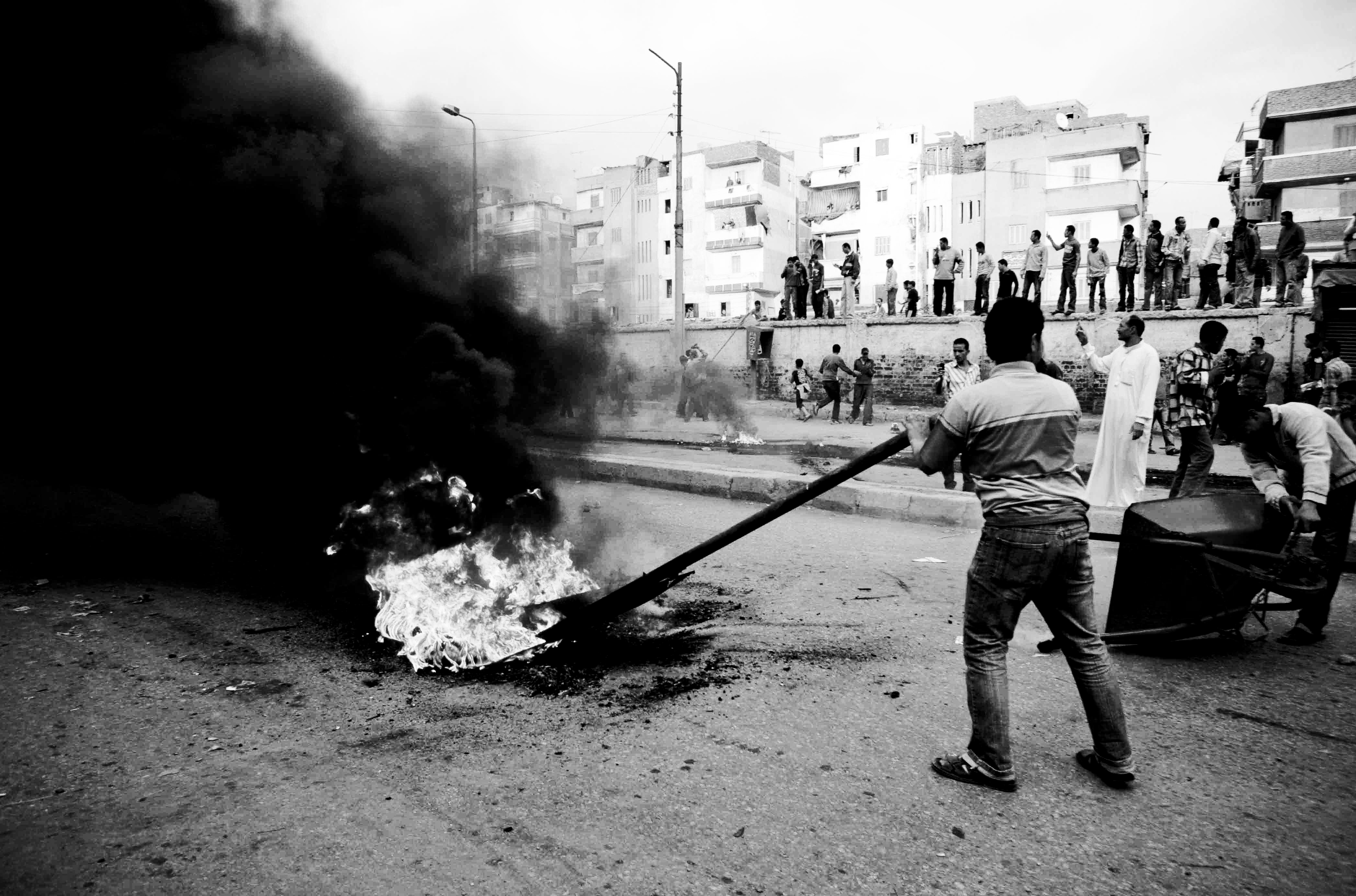
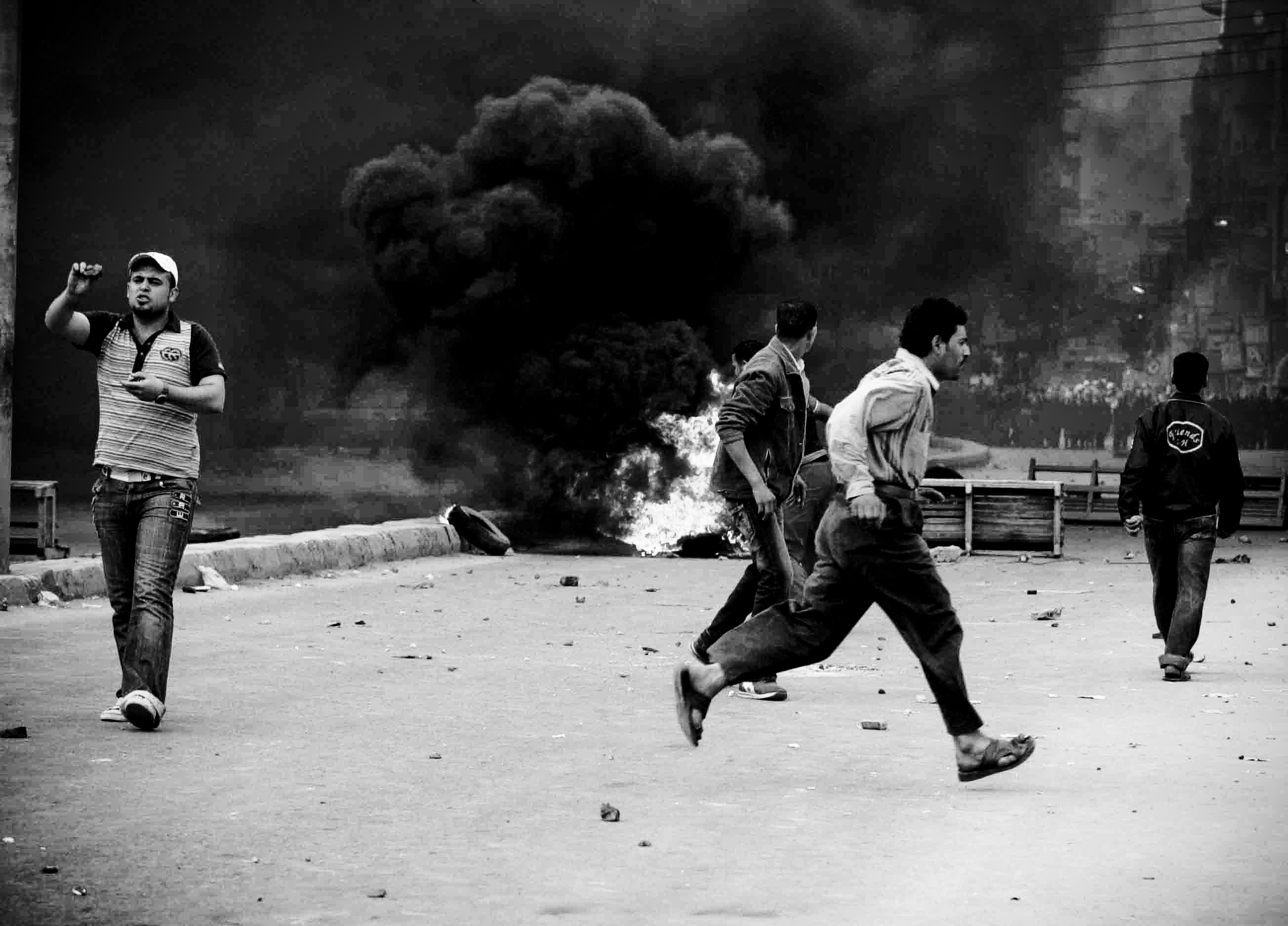
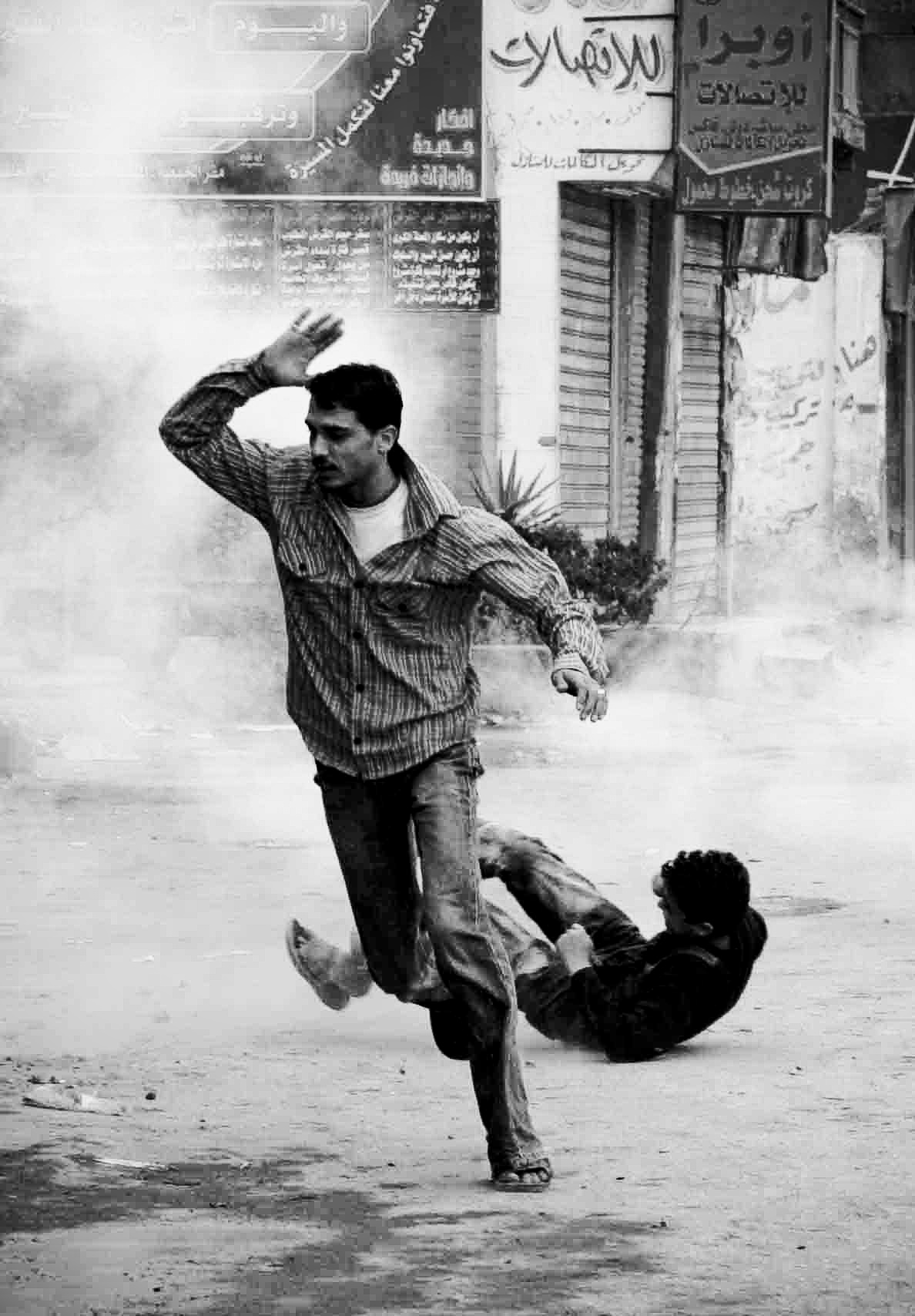
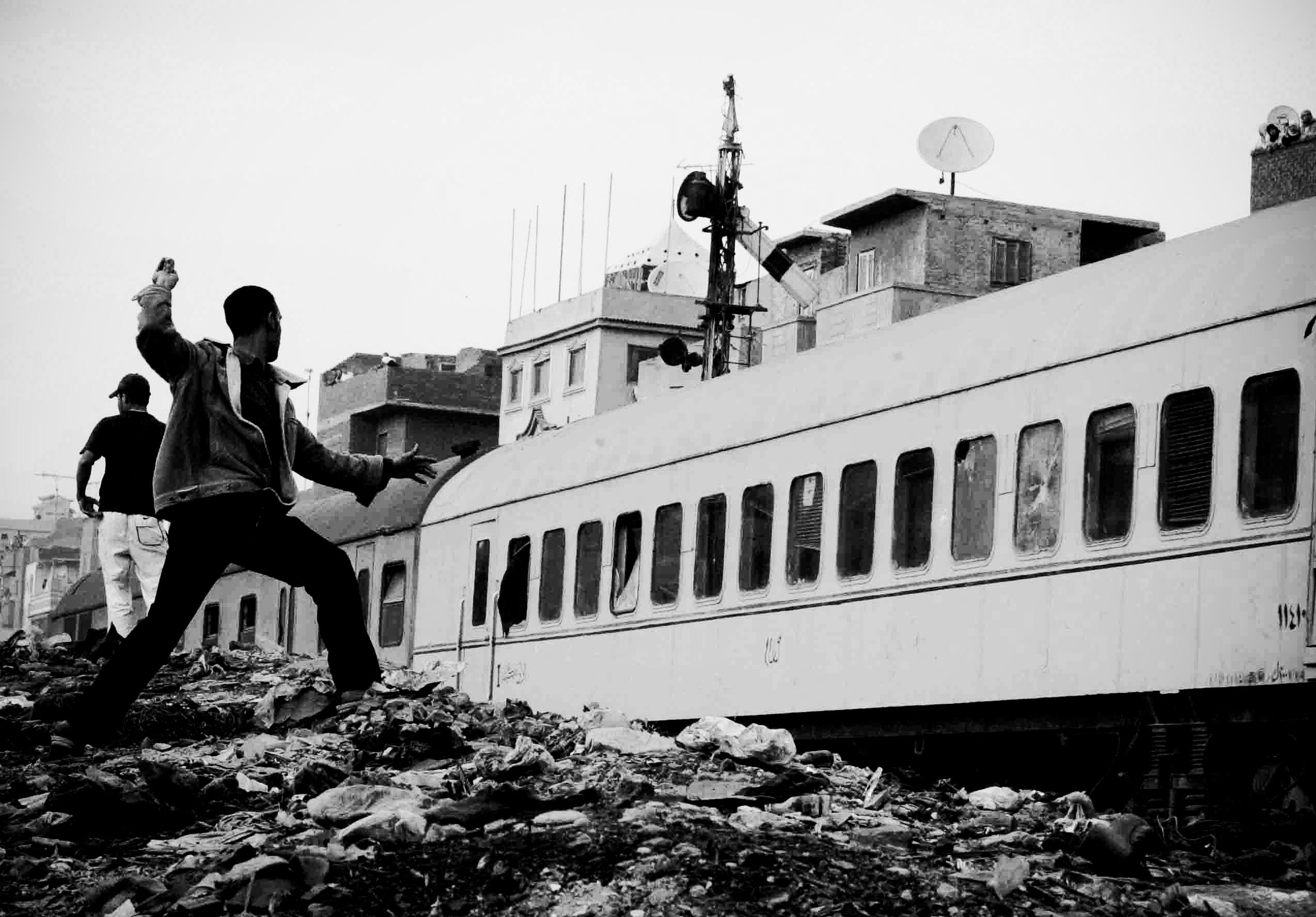
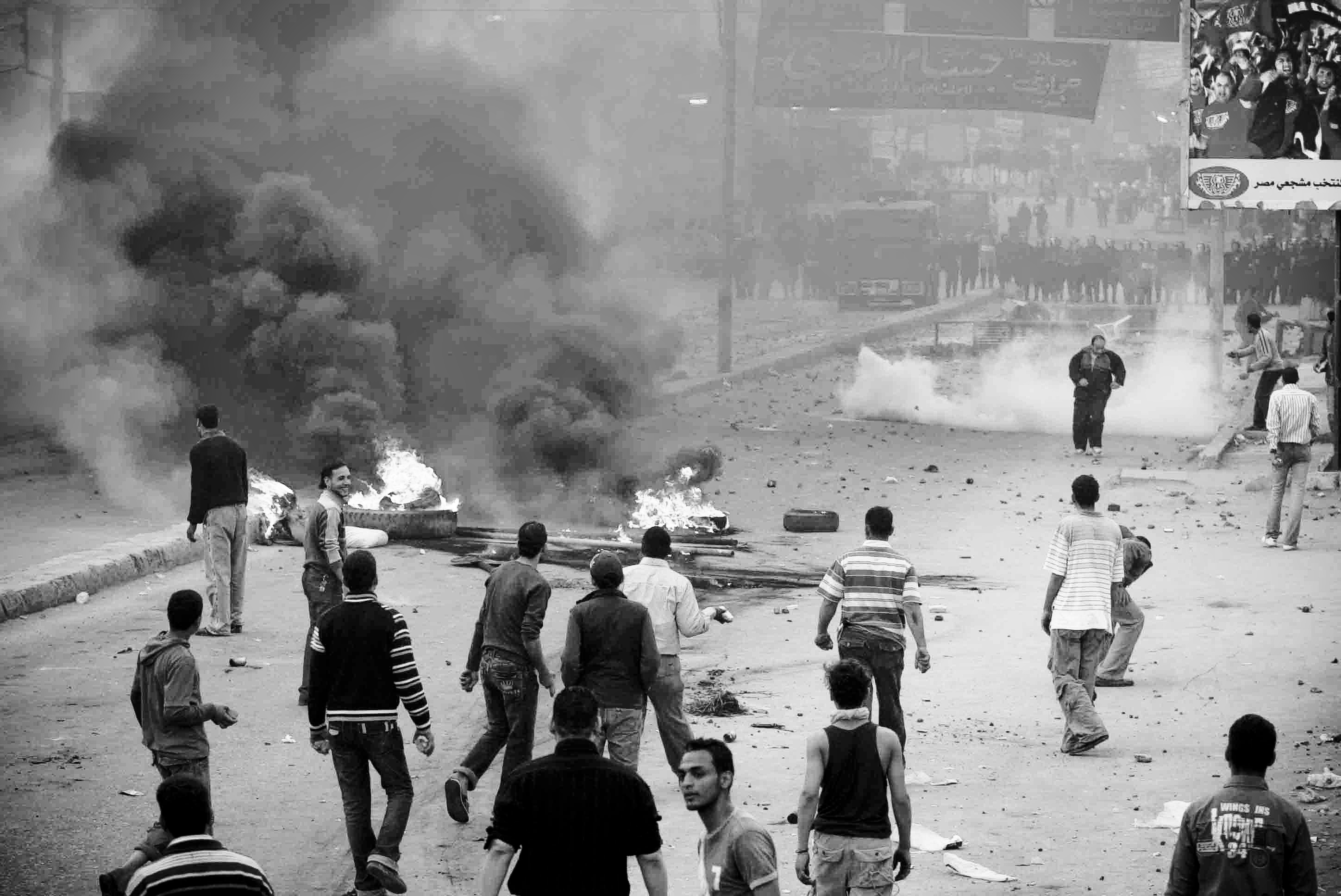
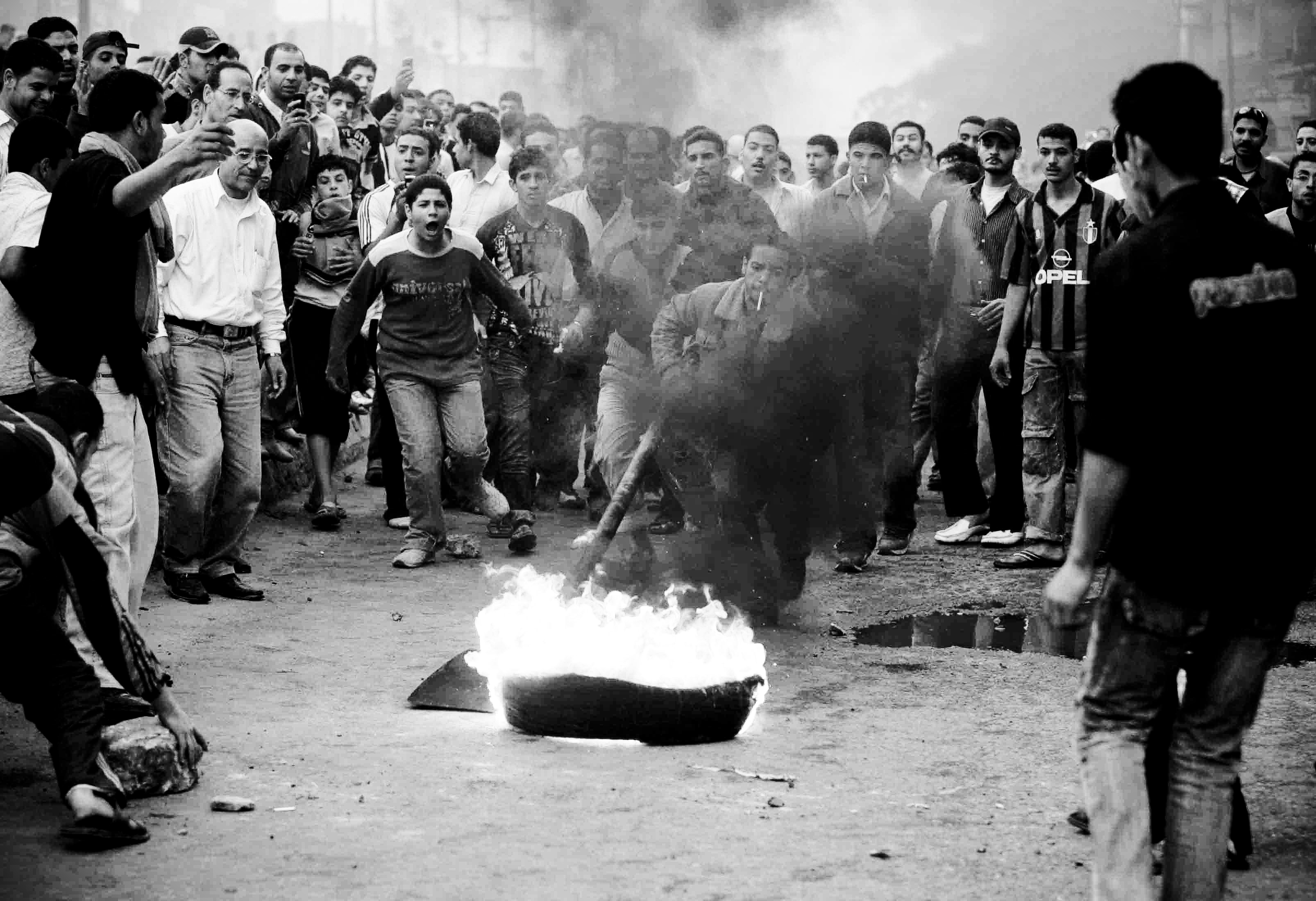
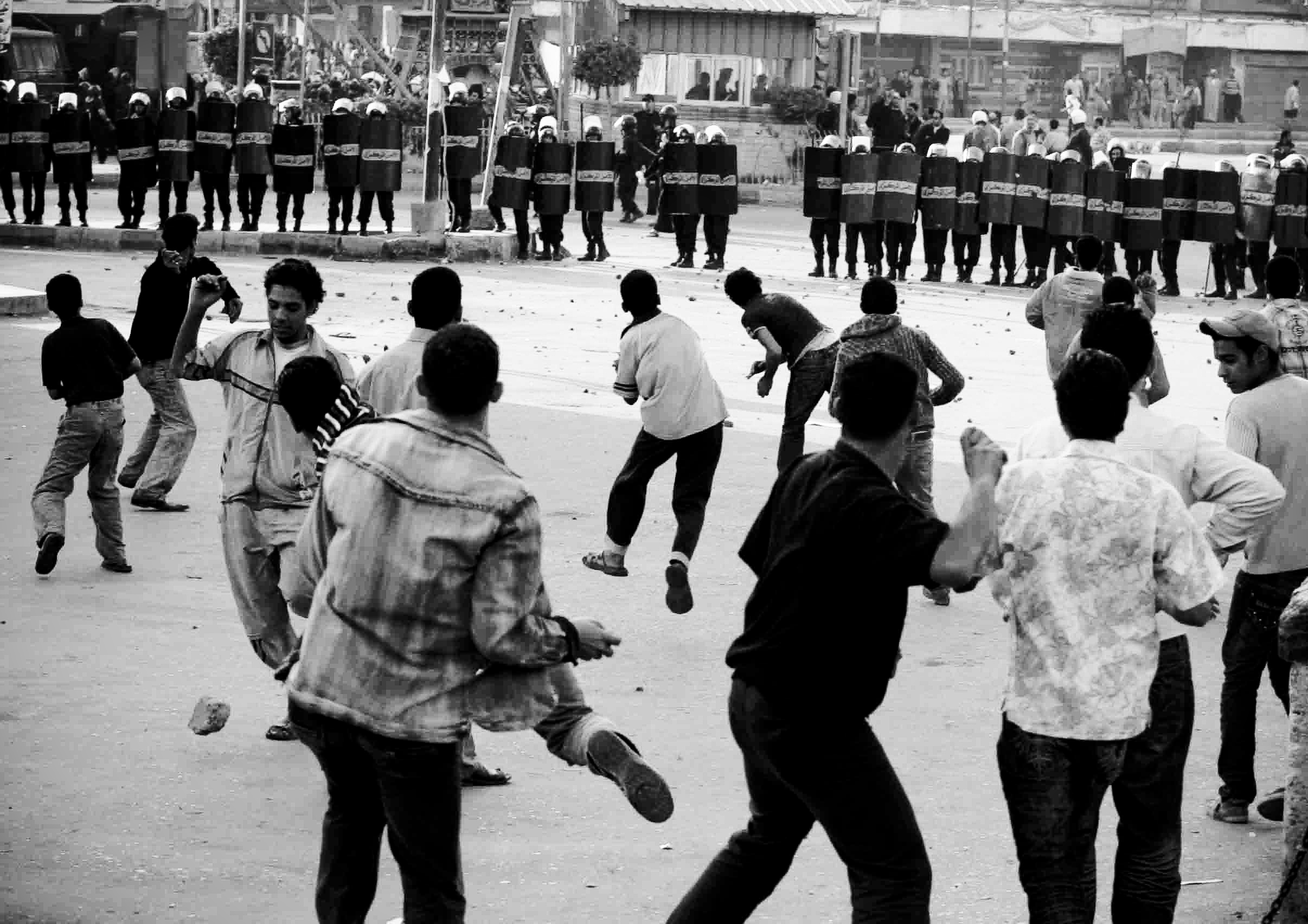
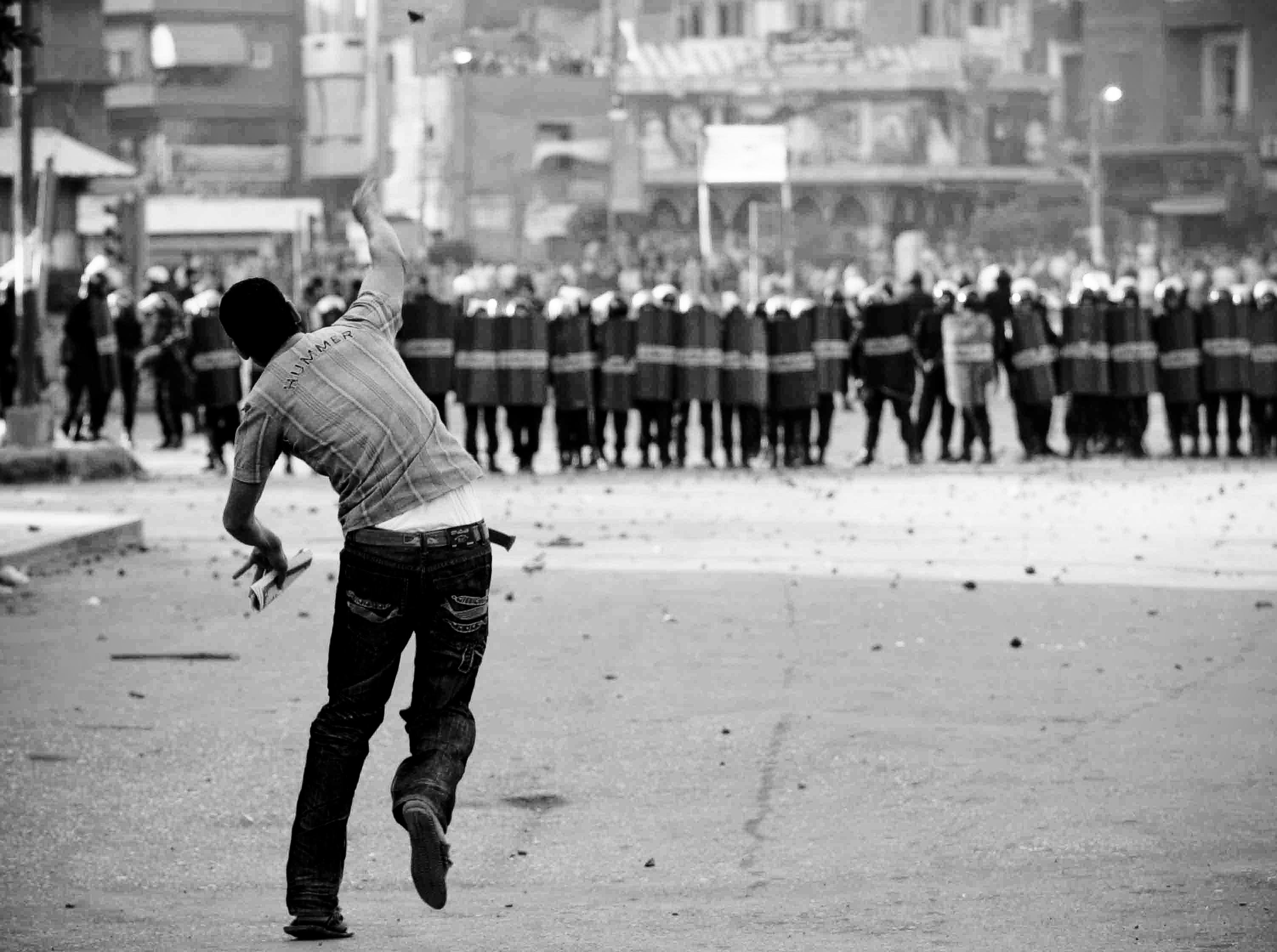
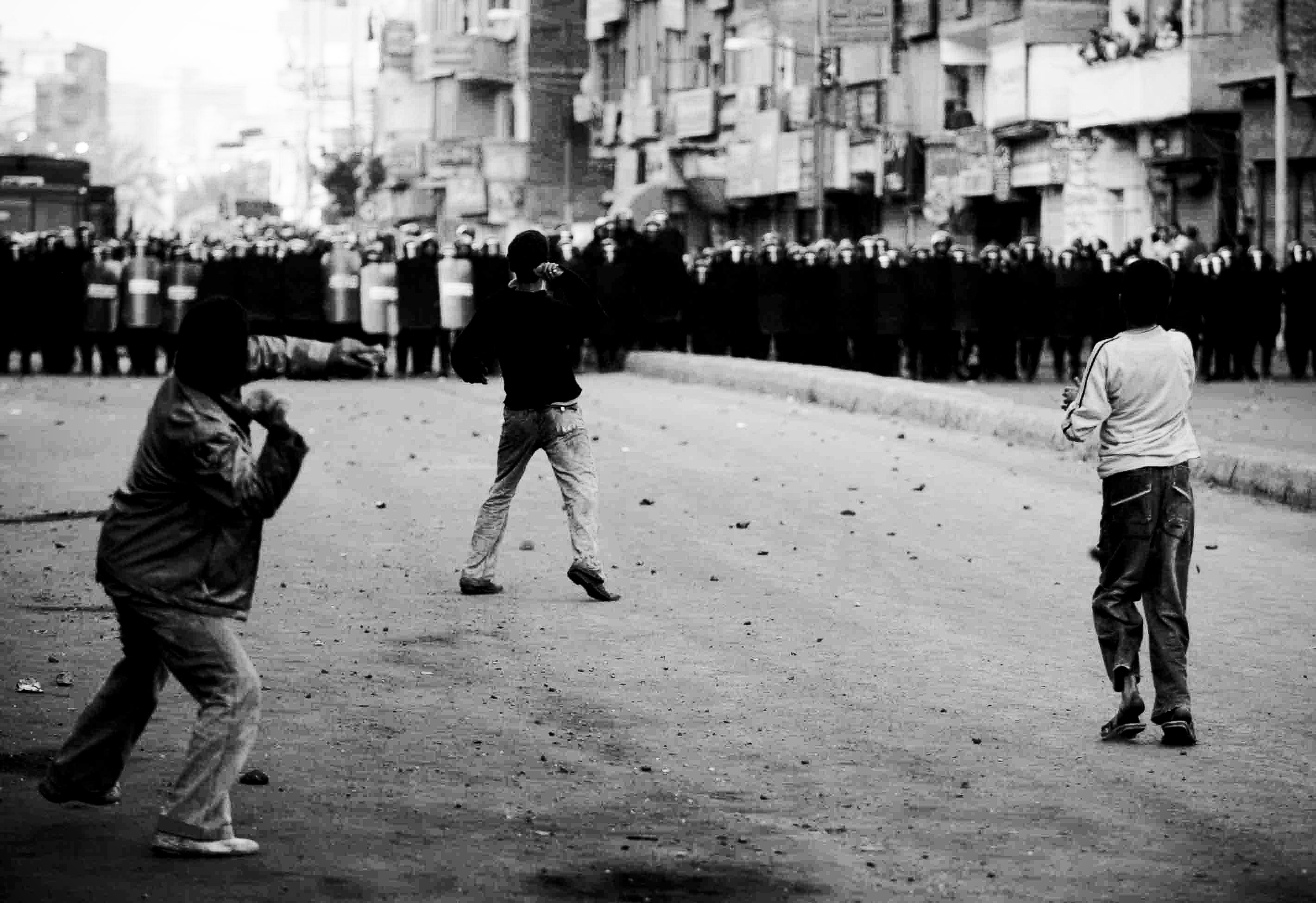
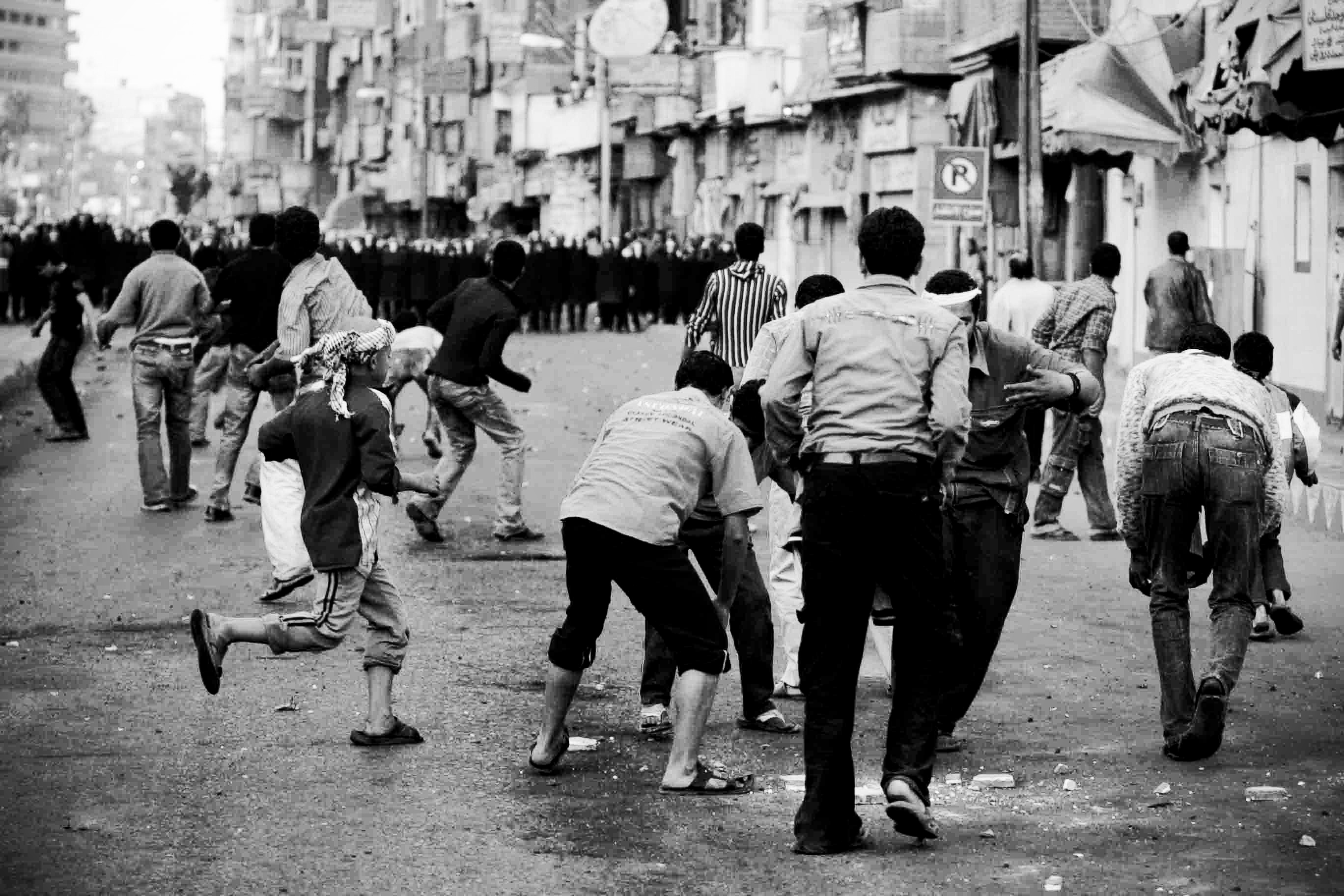
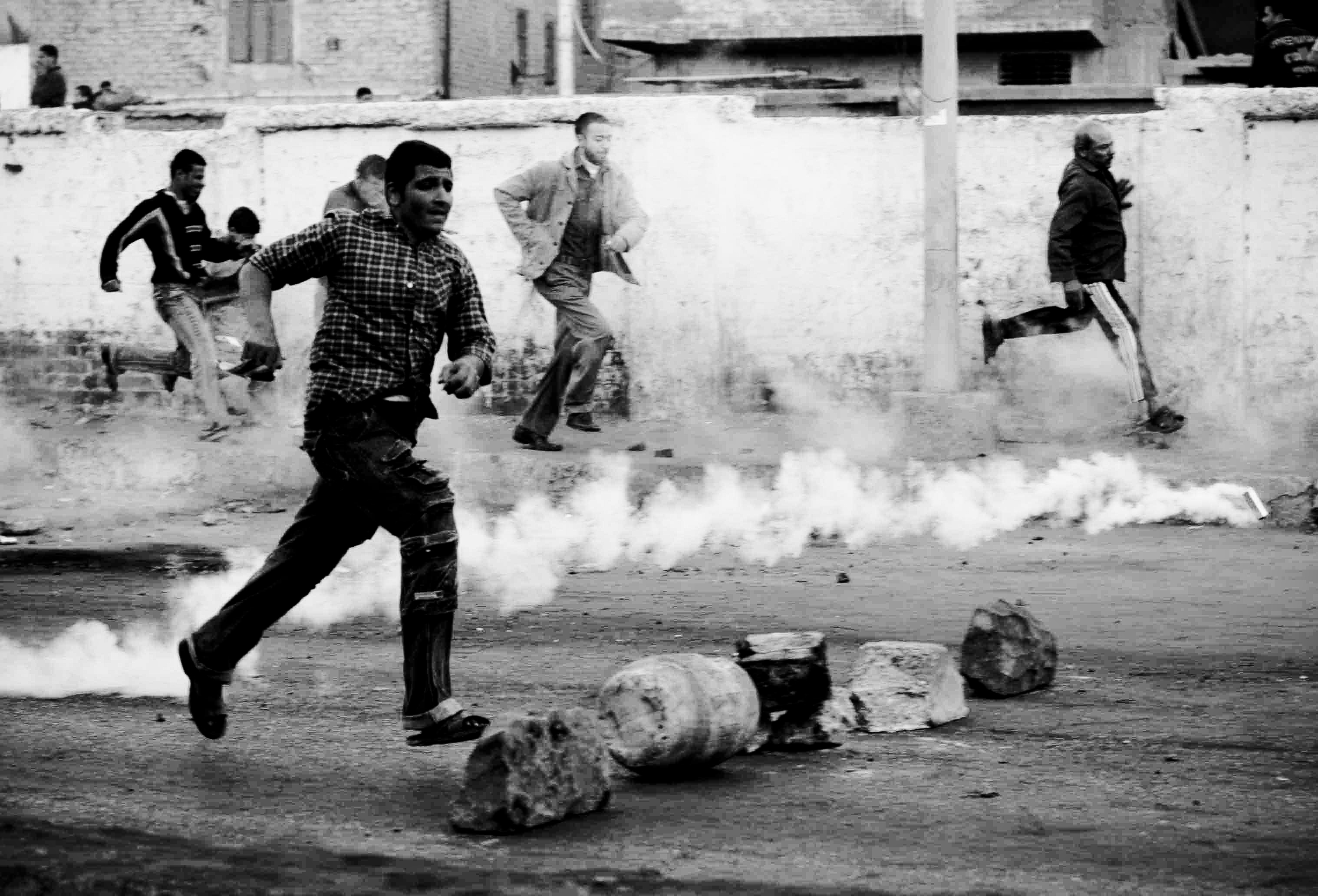
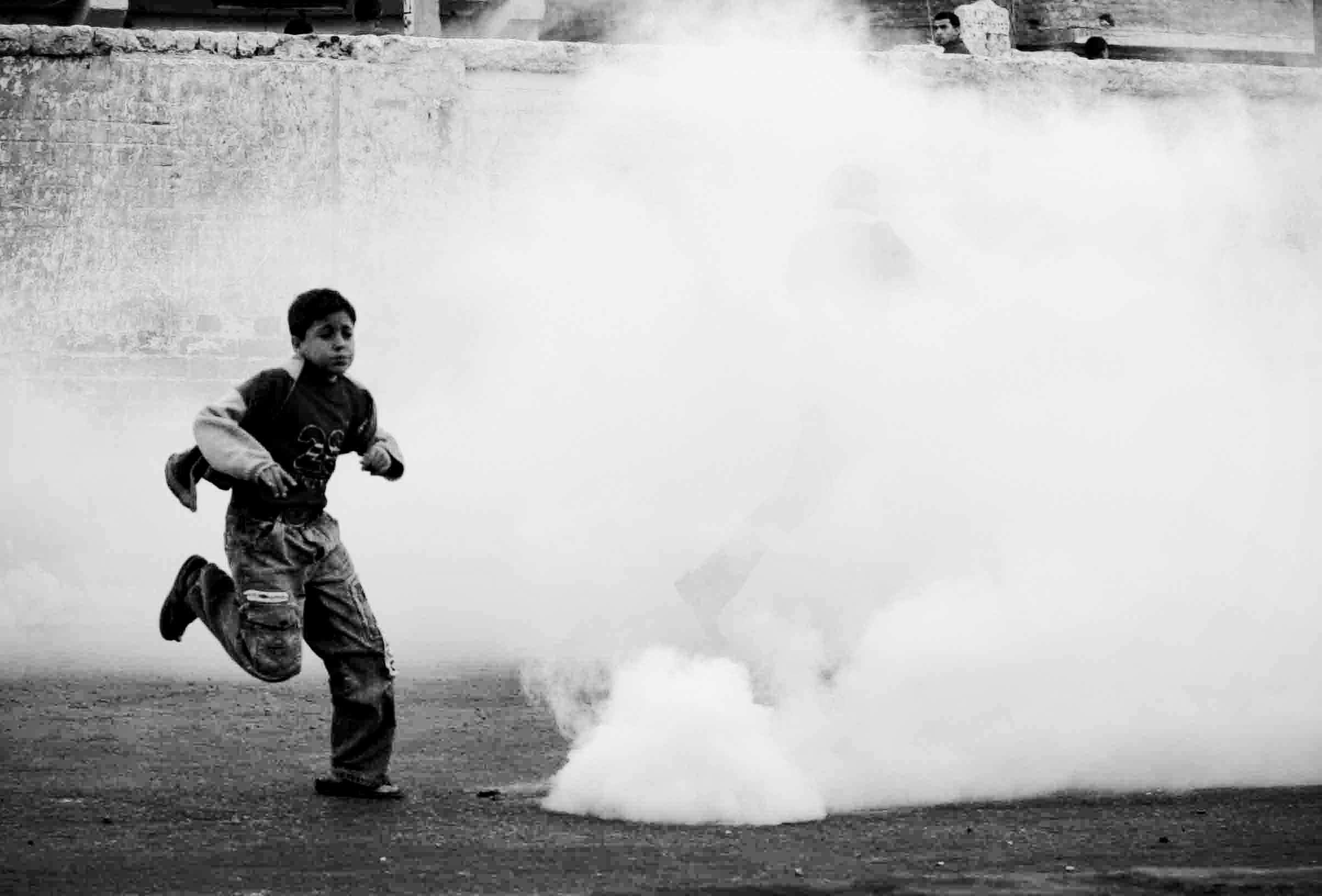
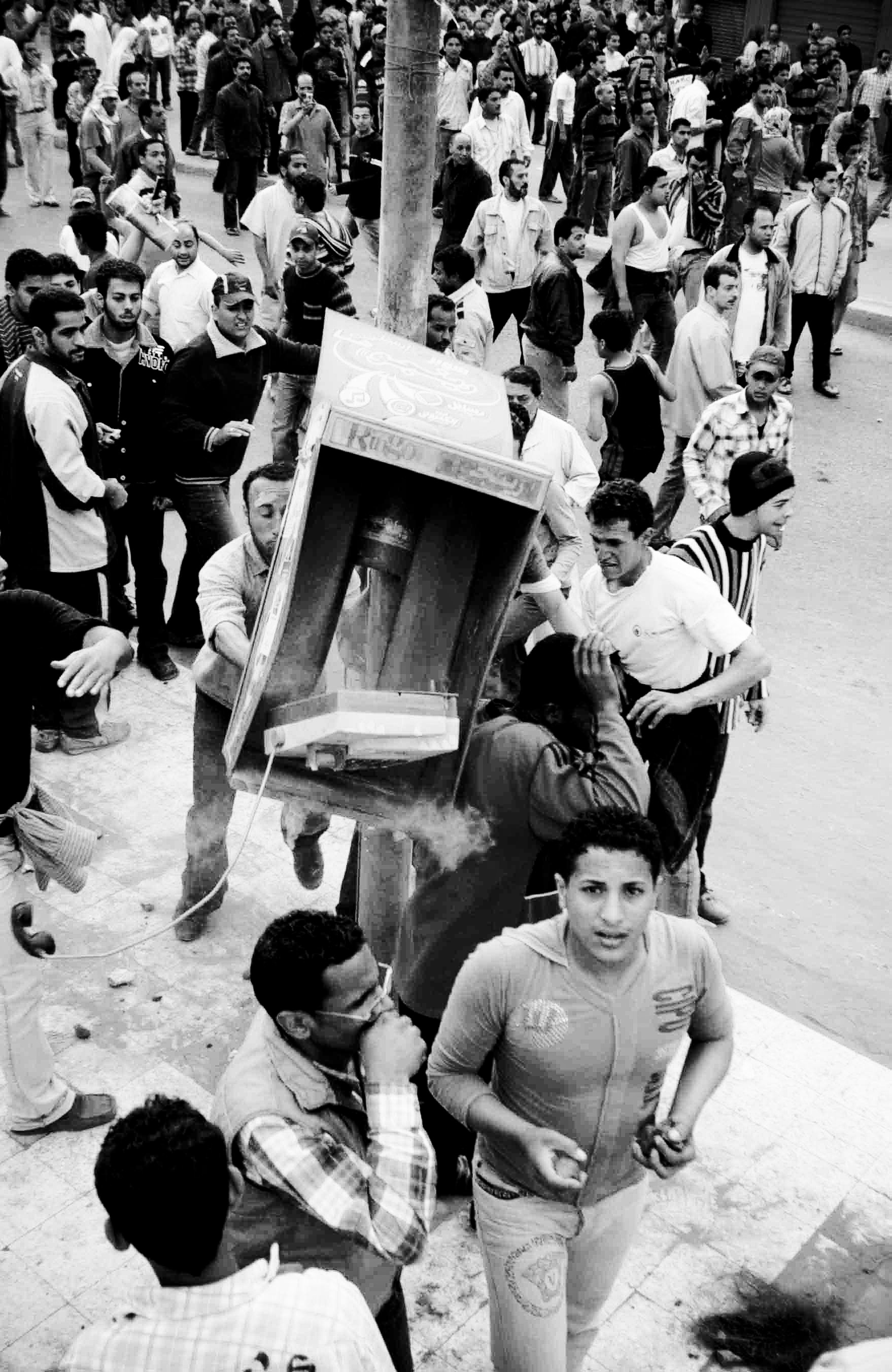
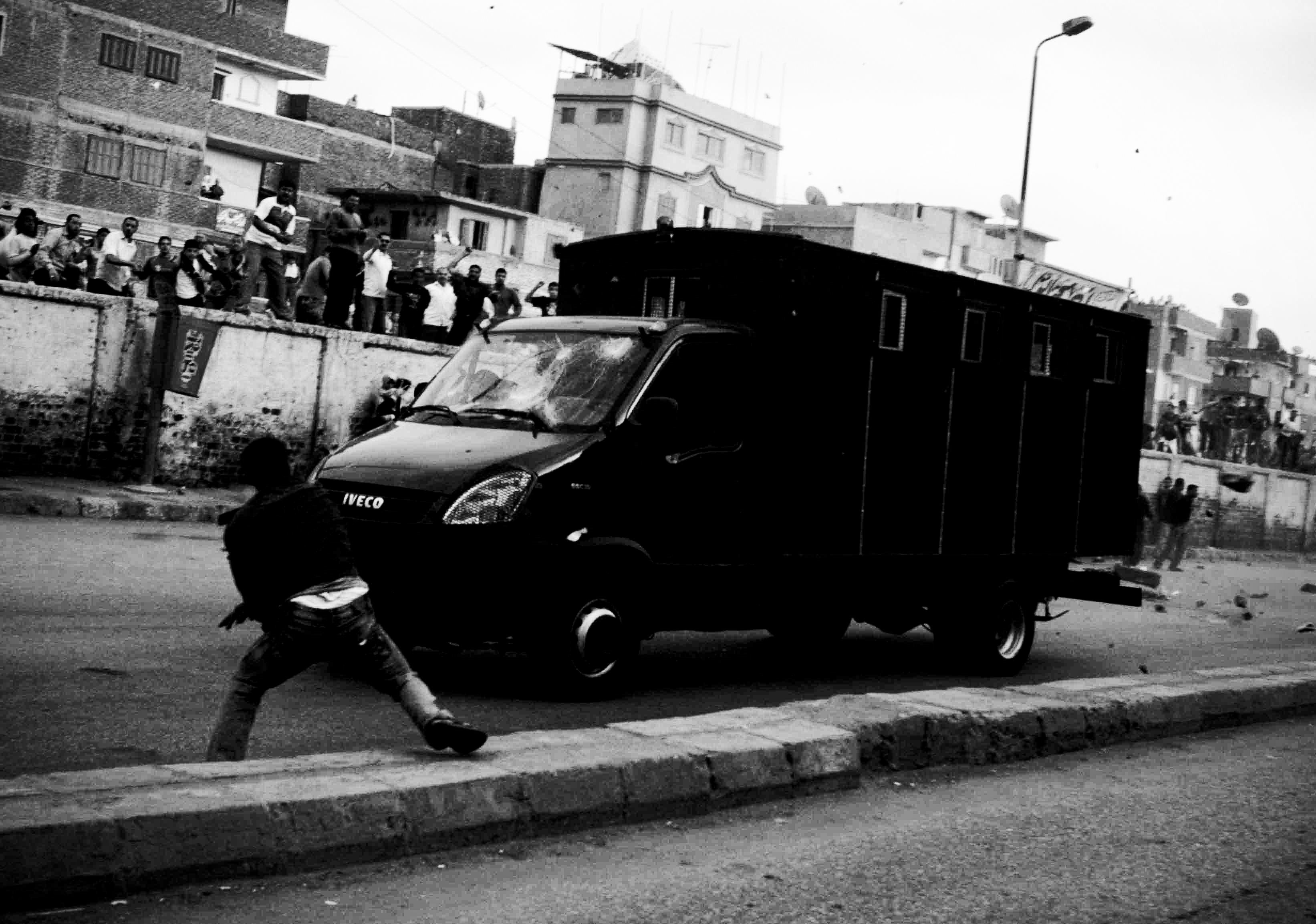
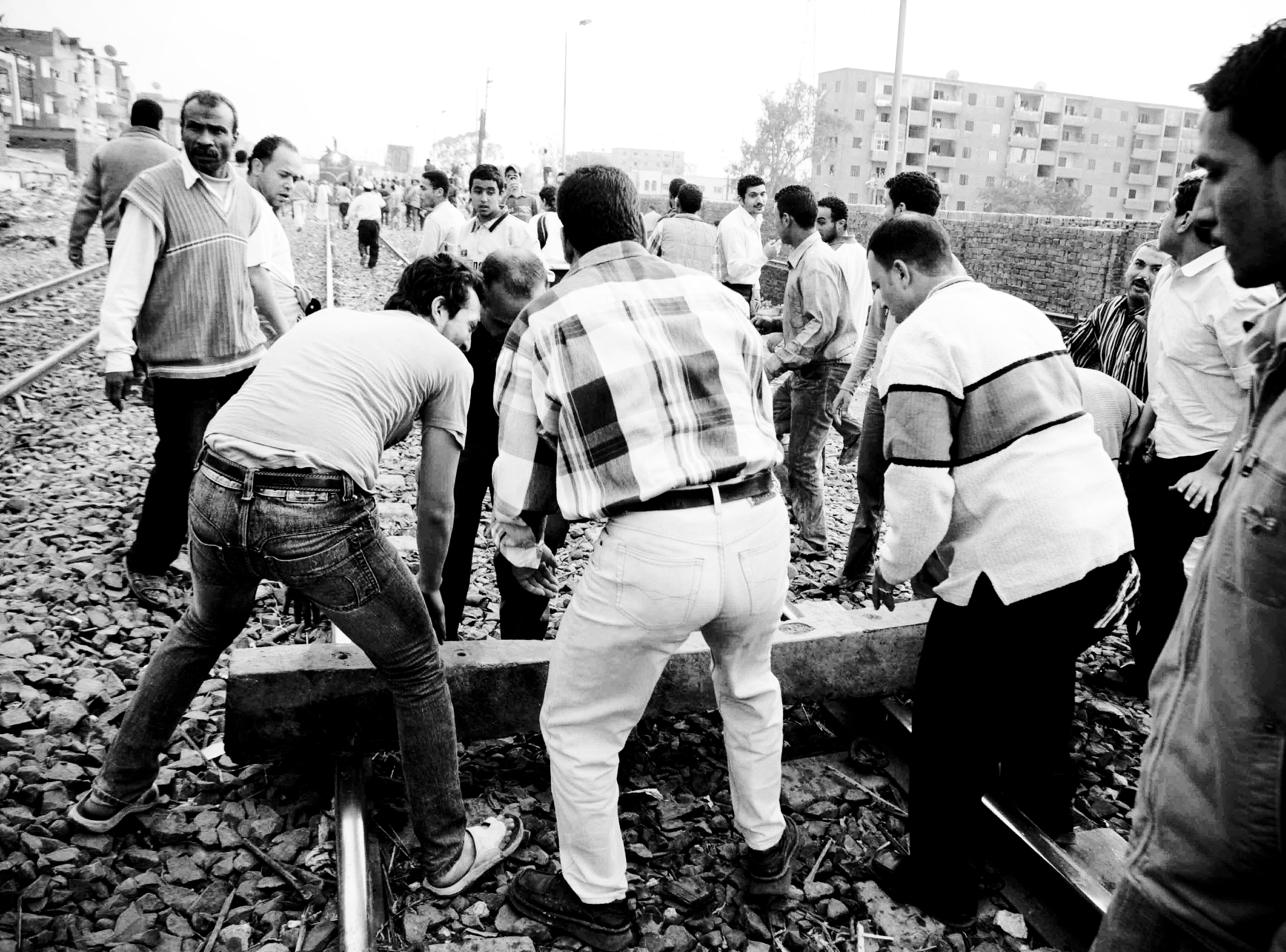
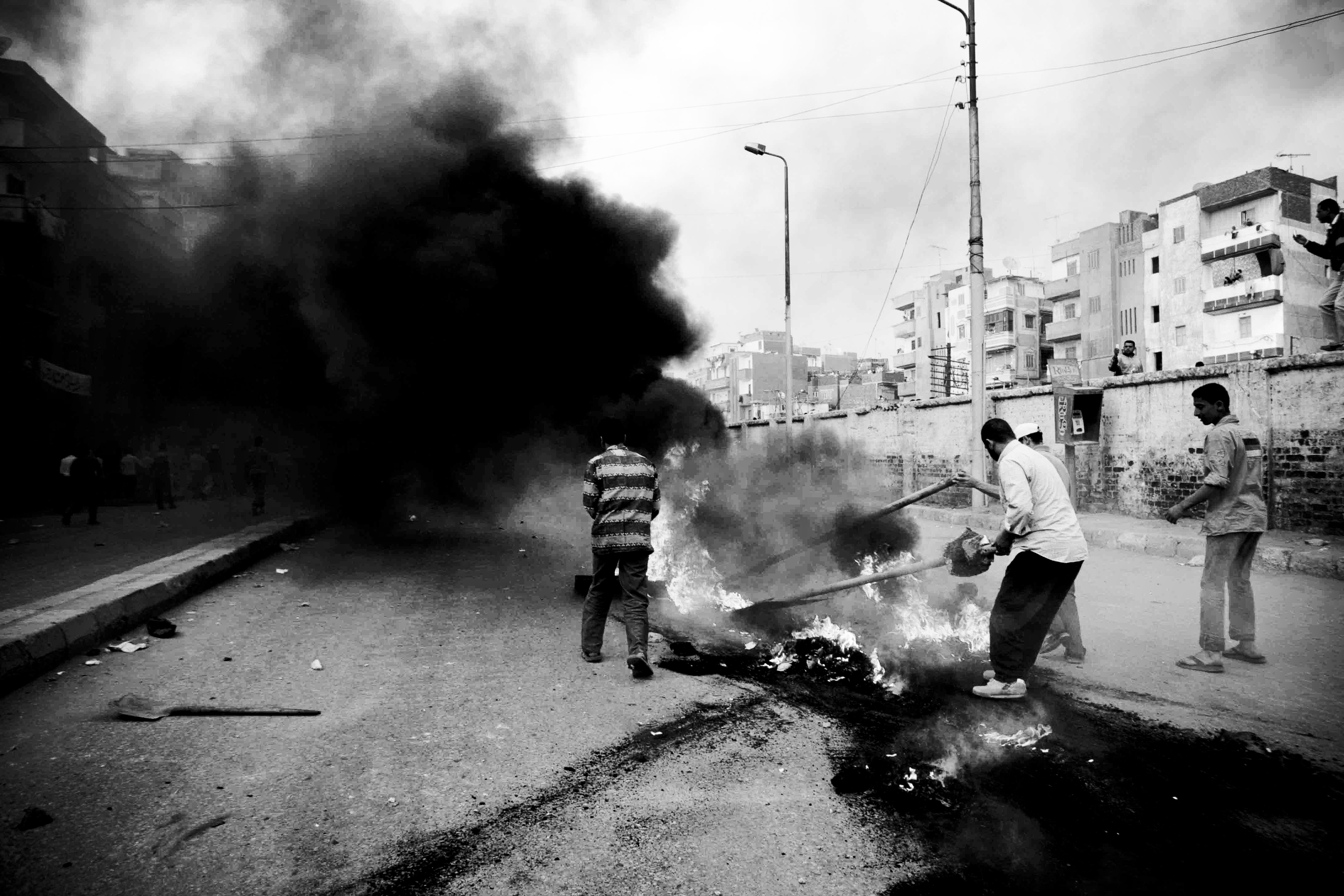
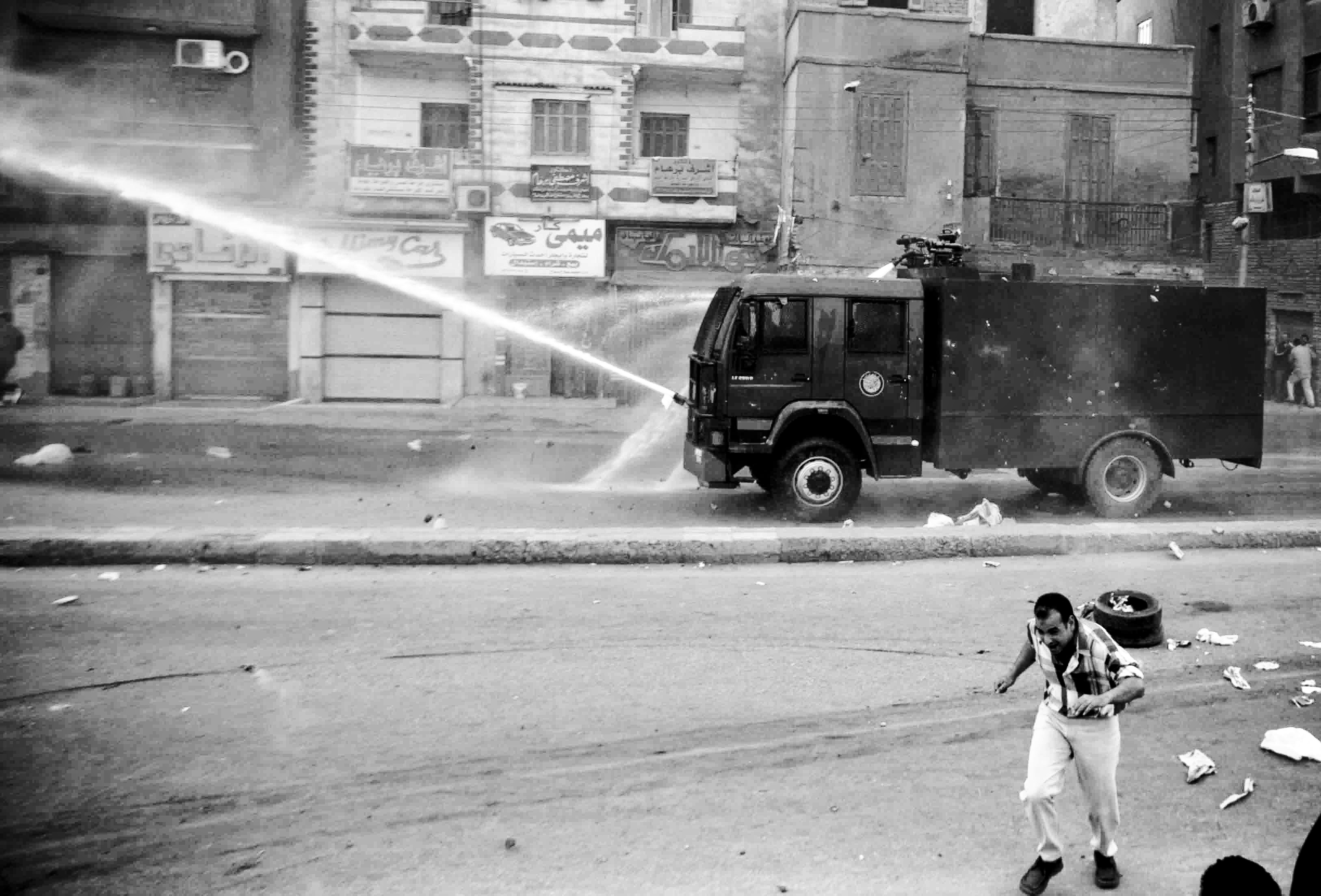
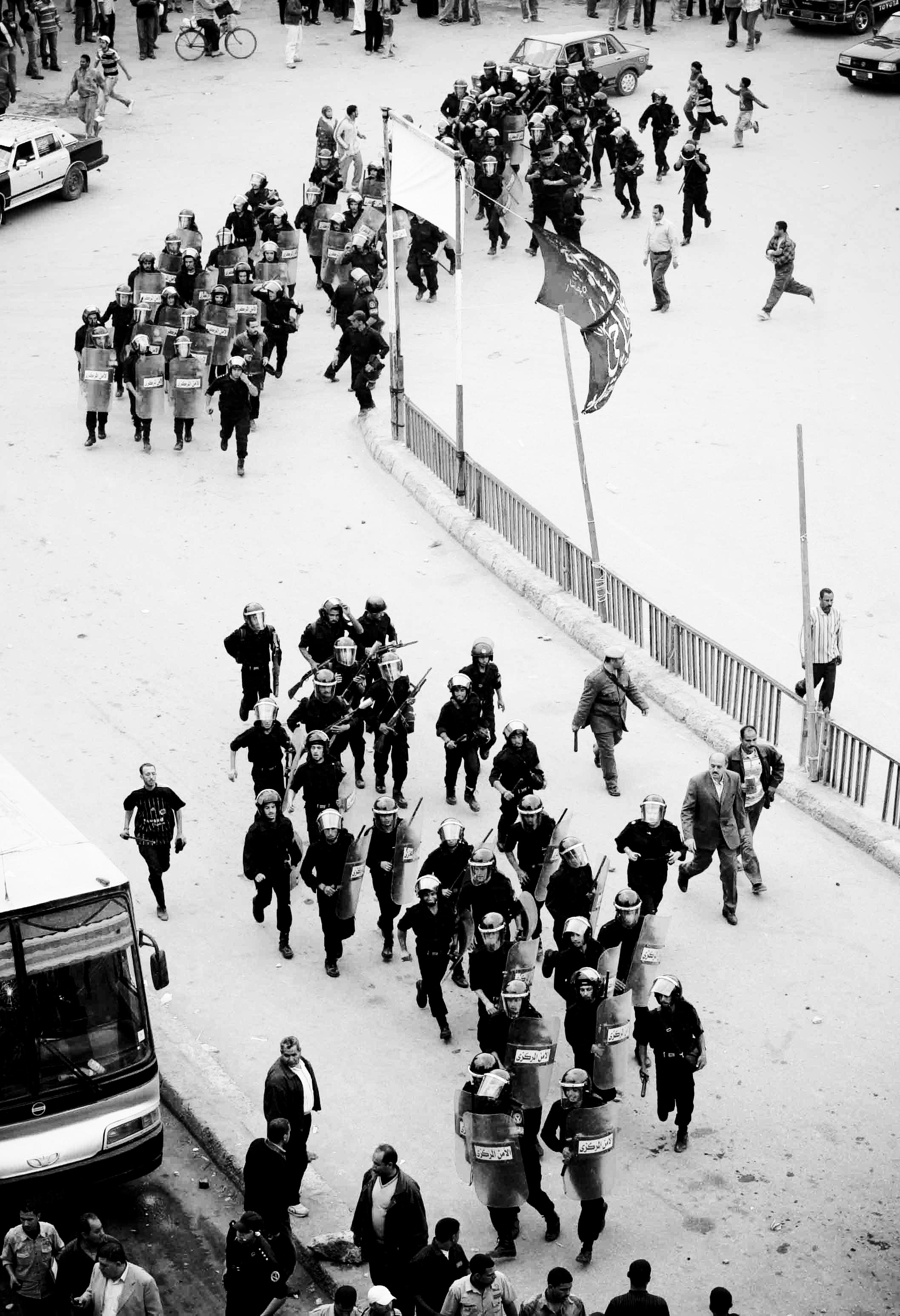
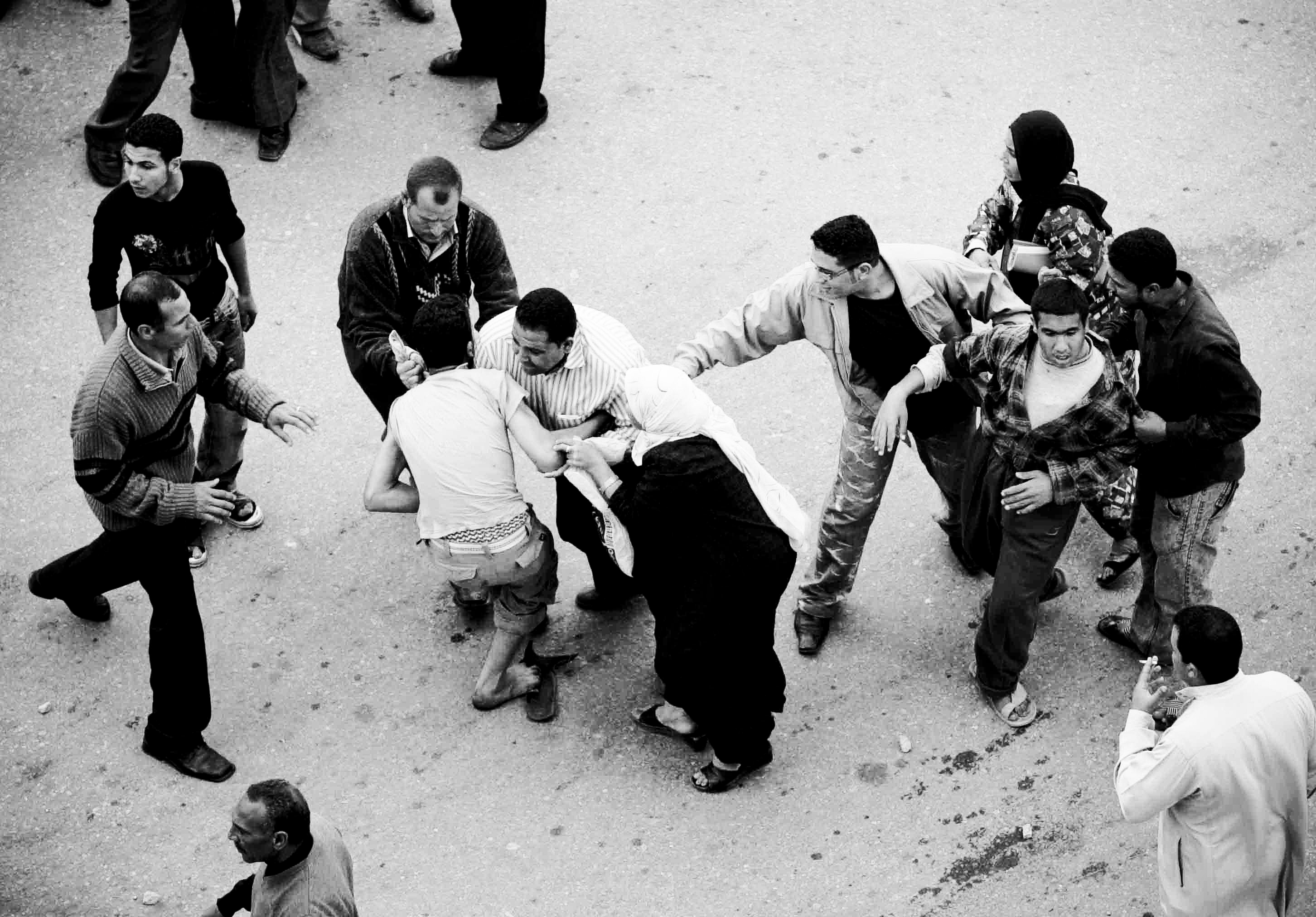
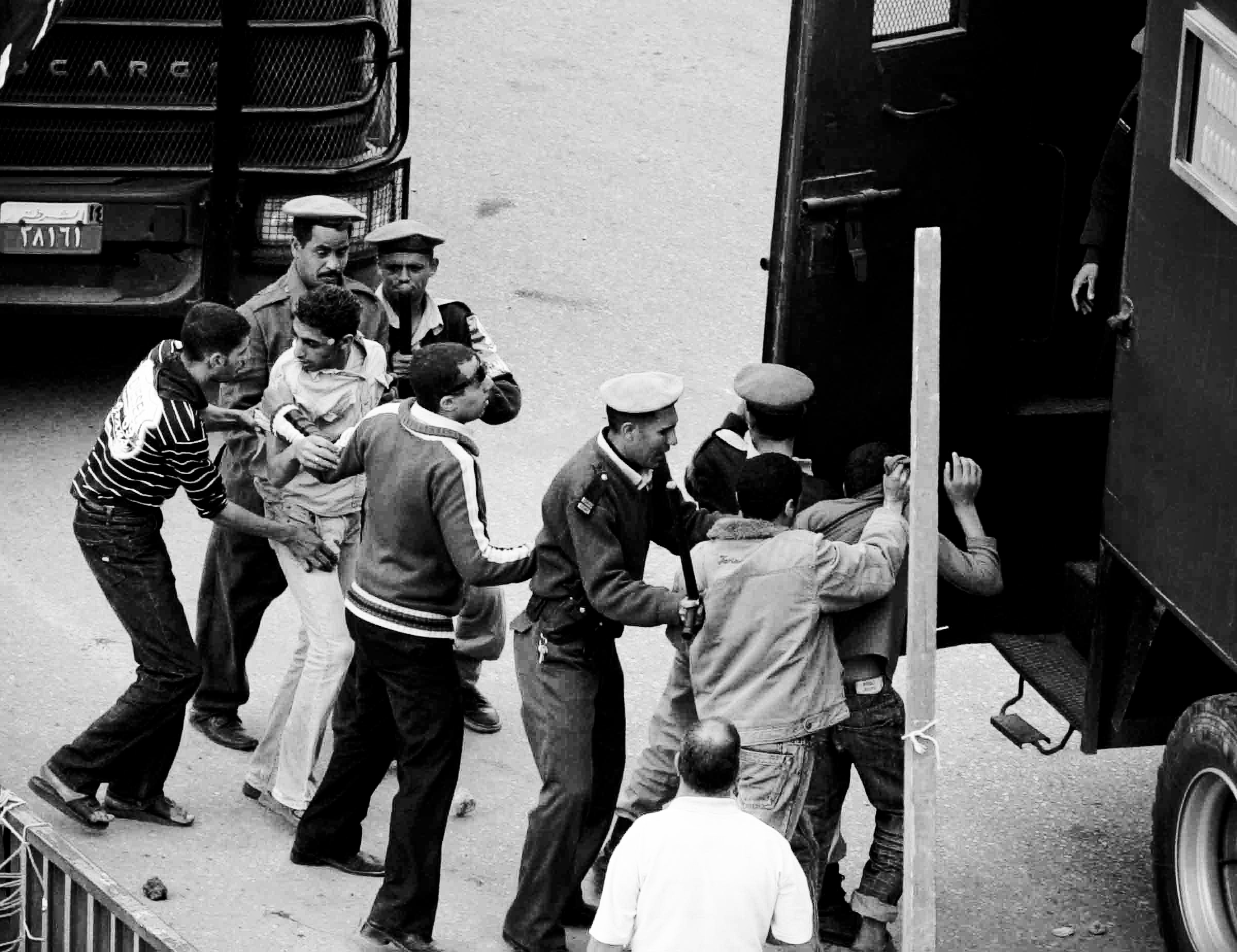
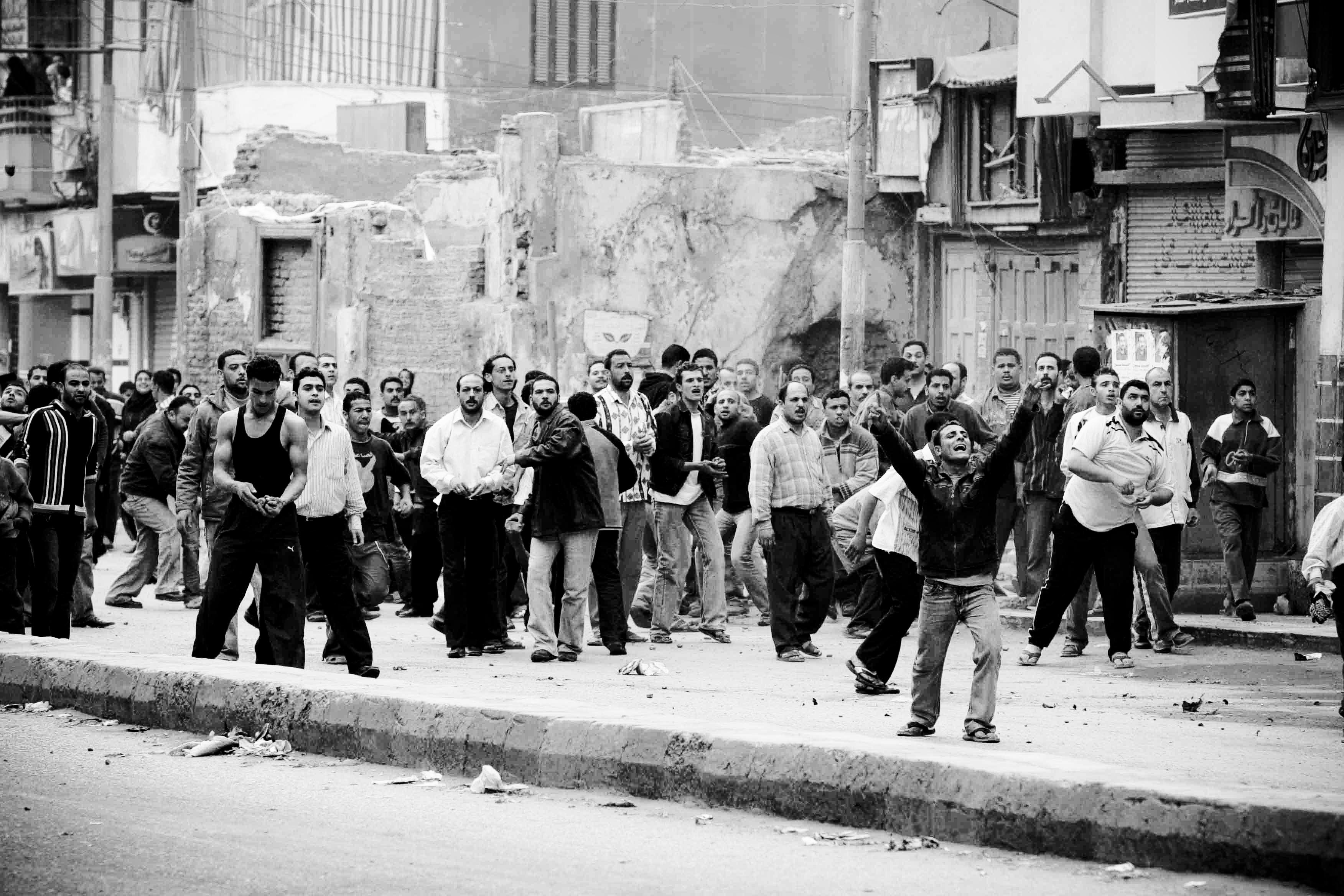
The mass demonstrations and strikes that have swept Egypt over the last year have transformed the opposition movement. For decades Egyptians lived in fear of the regime – opposition activists were rounded up, imprisoned and tortured, and strikers gunned down – now this has changed. The two days of rioting in the textile mill town of Mahalla al-Kubra recently have shaken the regime. The Mahalla intifada – as it is now called – is part of a wider phenomenon engulfing the country. We are living in an era of growing militancy.
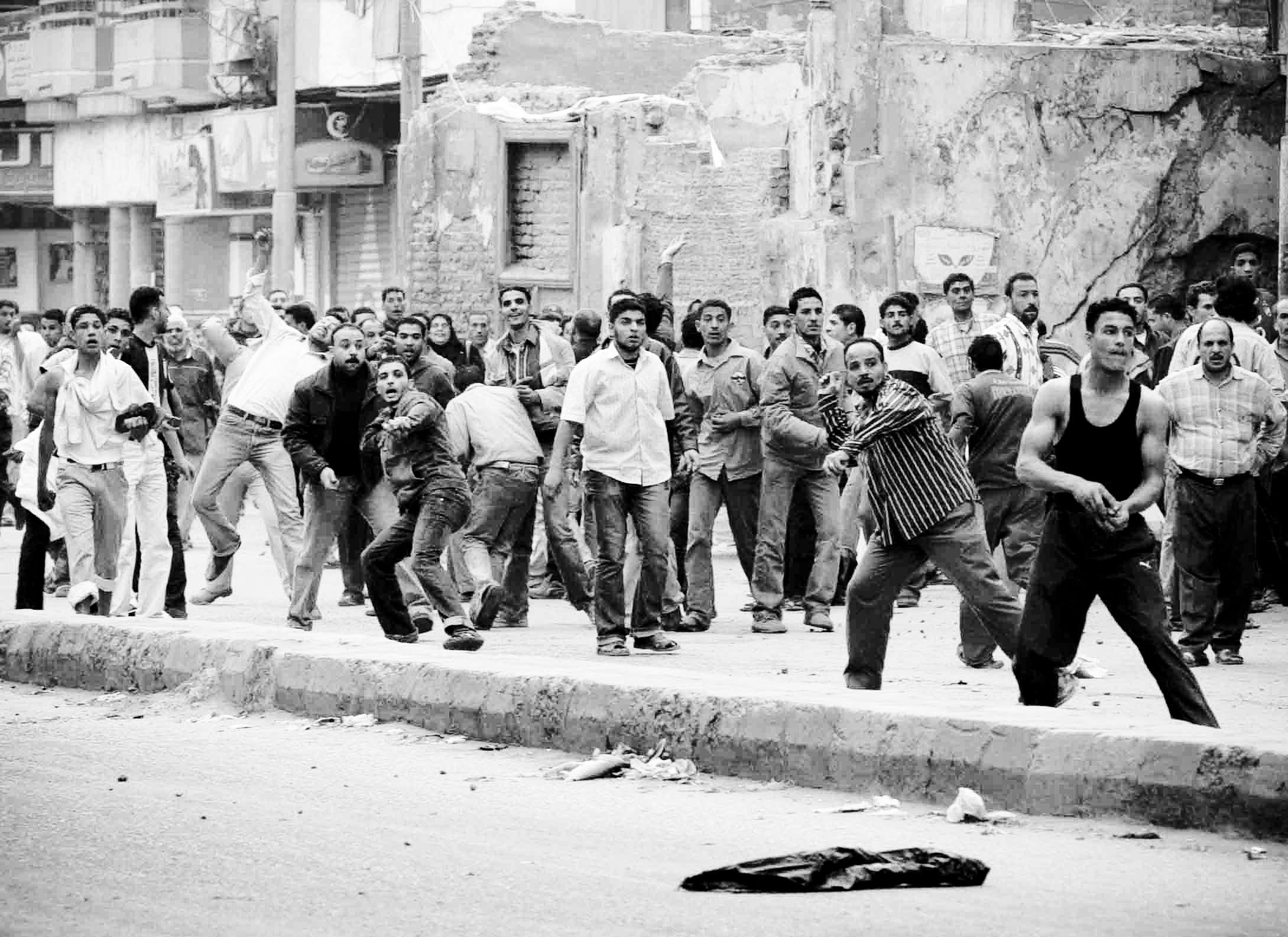
Today’s protests have their roots in the movement in solidarity with the second Palestinian Intifada that erupted in 2000. This triggered the biggest demonstrations in the capital, Cairo, and nationally, since the 1977 bread riots. That rebellion was brutally crushed, but its shadow continues to haunt the US backed regime of Hosni Mubarak. Young students were at the heart of the pro-Palestinian demonstrations. One of the slogans raised during the period was “The road to Jerusalem passes through Cairo.” These protests spilled over into protests against the regime. People started to ask, “Why is our government not doing enough to help Palestinians? Why is the regime supplying energy to Israel?” (Egypt is Israel’s main gas supplier.)
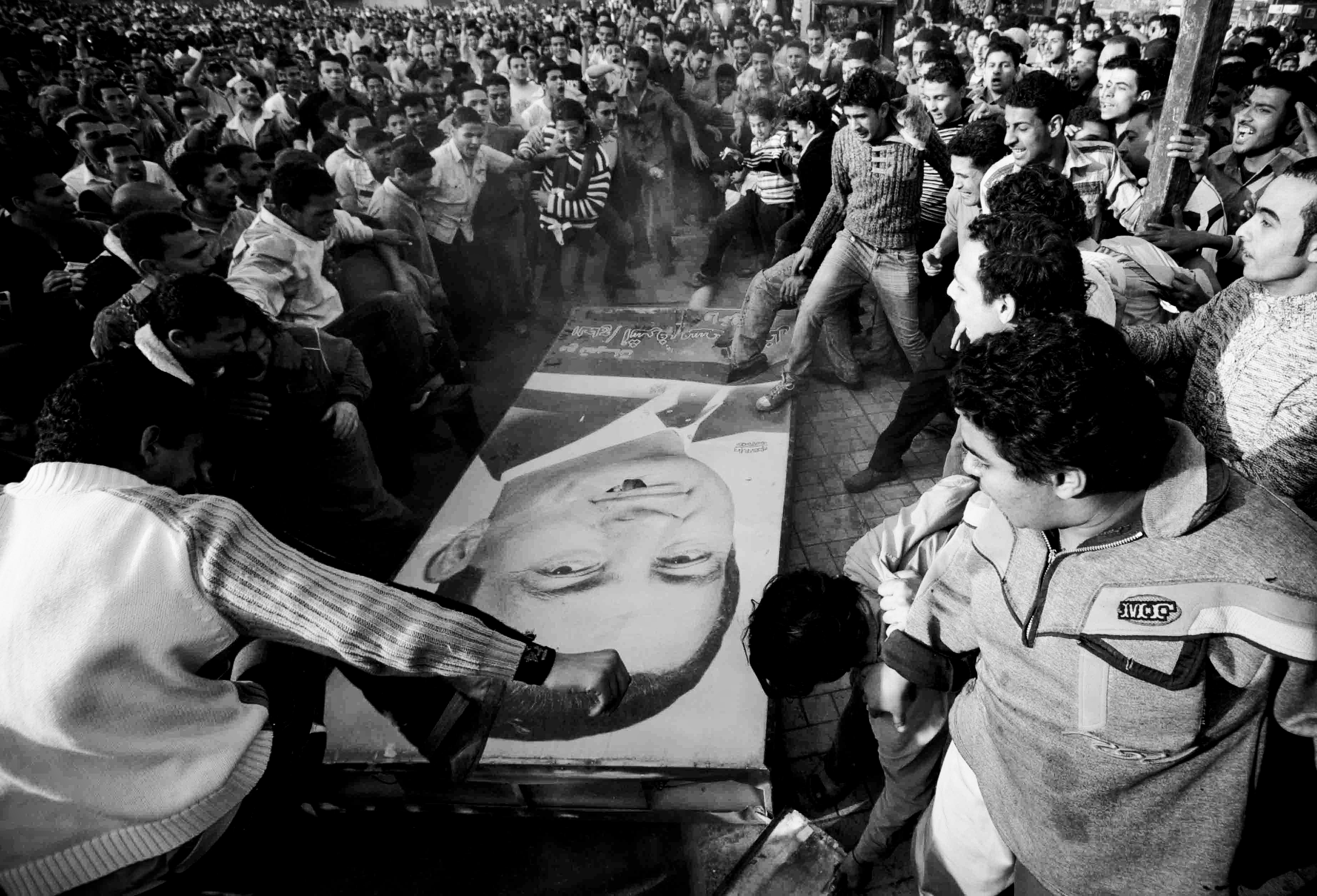
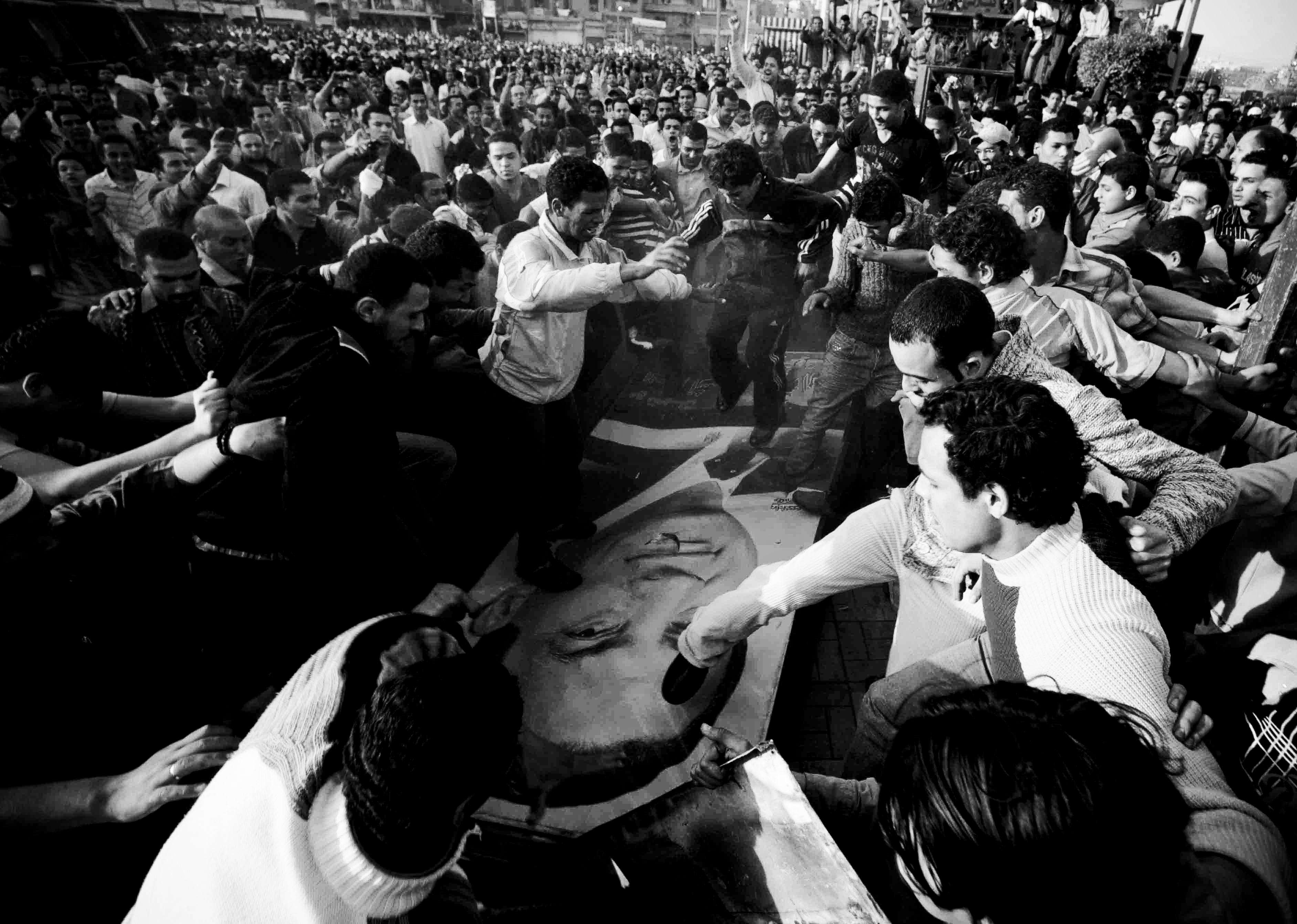
These small protests then developed into an anti Iraq war movement that resulted in two days of mass protests of up to 50,000 in Cairo during 2003. Protesters burned pictures of Mubarak alongside those of Western flags. The government responded with mass arrests. The anti-war protests broke the taboo surrounding criticisms of the regime. Workers were suffering in the factories, but also seeing television pictures of the protests in downtown Cairo. This has had a revolutionising impact on people’s psyche and given them more confidence to move later.
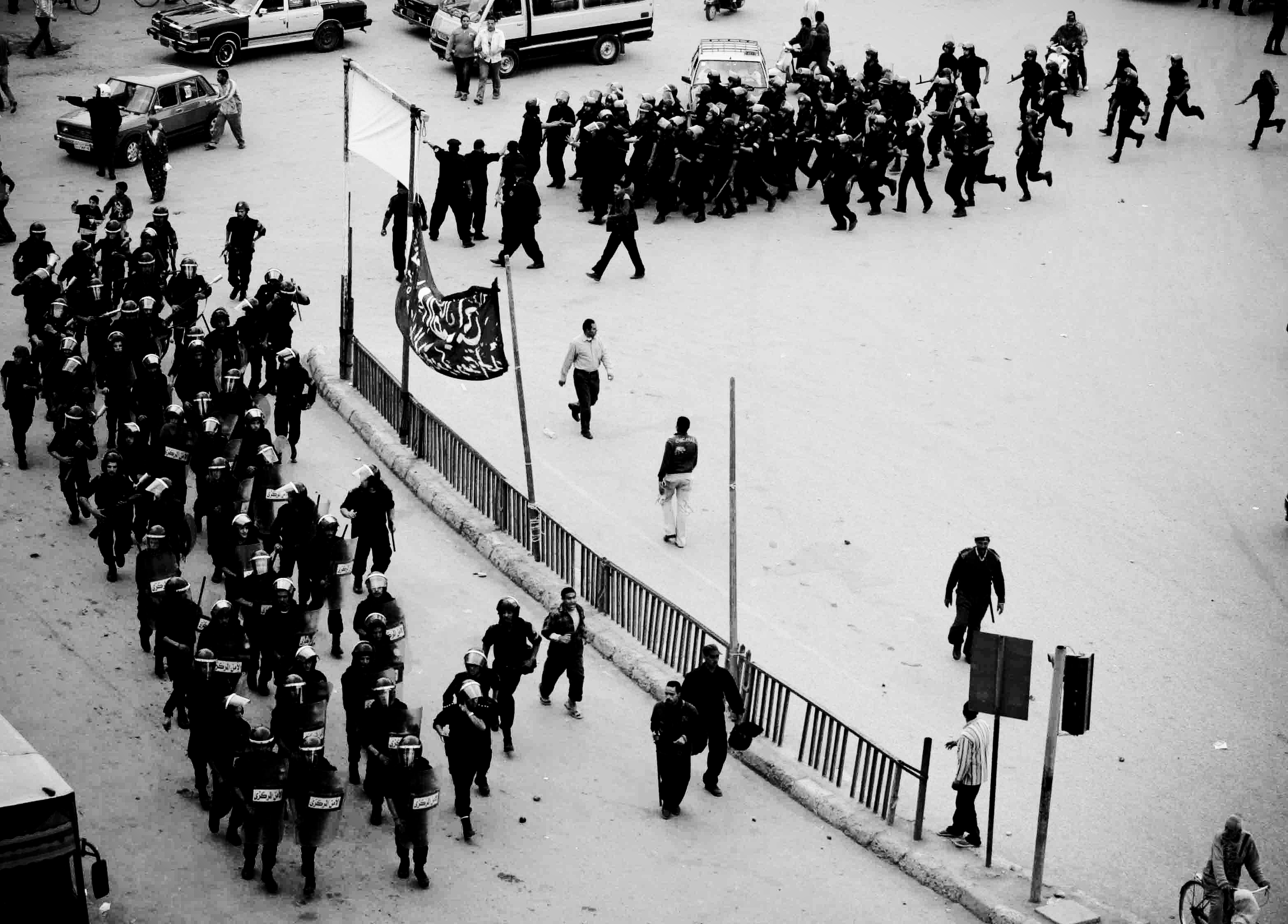
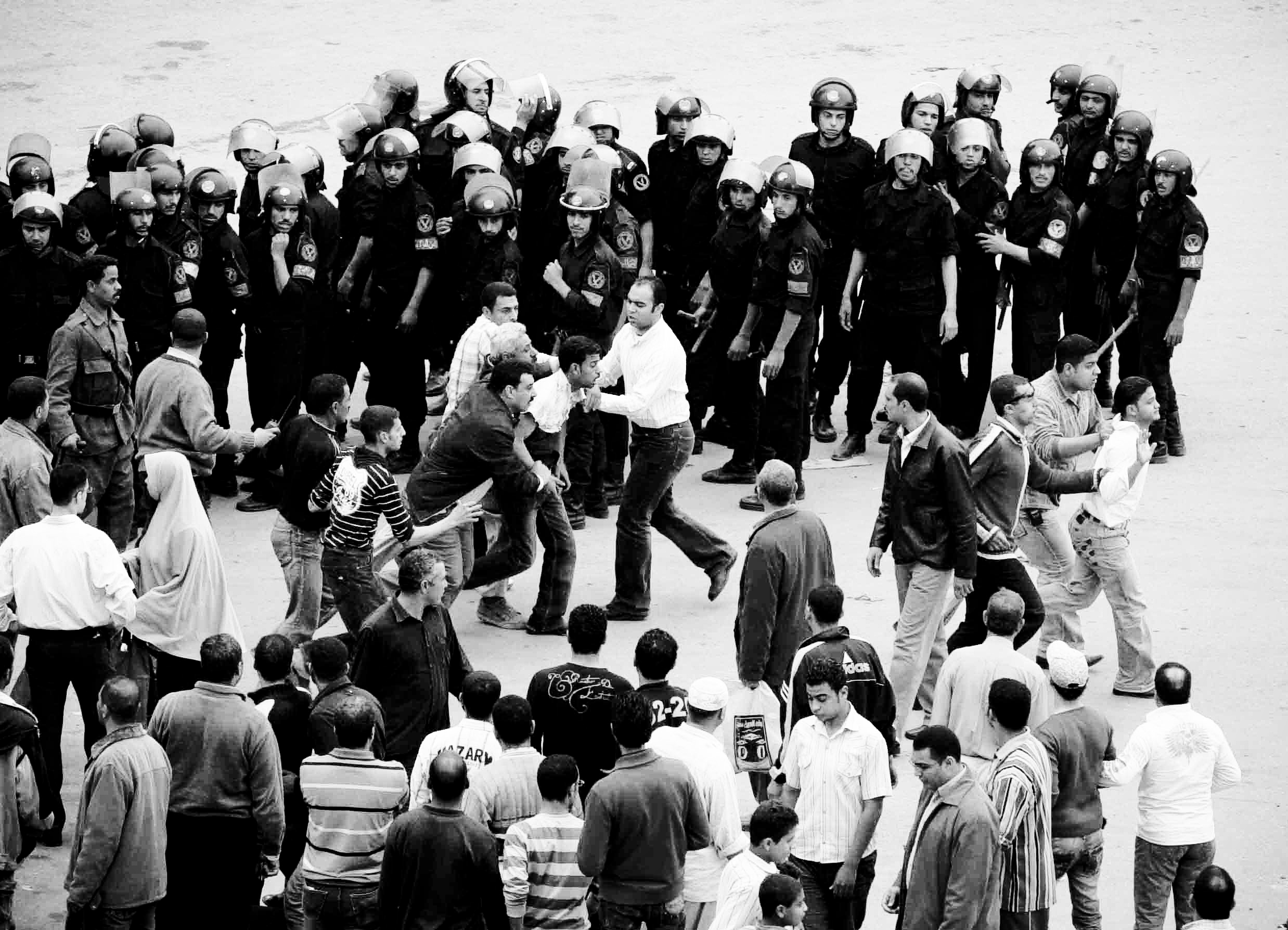
Everything changed on 7 December 2006. Egypt’s prime minister Ahmad Nazif – a neoliberal and big supporter of structural adjustment programmes – promised public sector workers a bonus to cover rising prices of basic commodities. When the government stalled payment of these bonuses, workers in Mahalla struck for three days demanding he make good his promise. The majority of garment workers in the company are women. They shamed the men into action and together they occupied the factory. The police attempted to put the factory under siege, but failed to break the strike. The victory in Mahalla triggered the biggest and most sustained wave of strikes in Egypt since the end of the Second World War. Mahalla always sets the tone for working class politics in Egypt. If Mahalla is on the rise the labor movement will be on the rise. If it loses this means a downturn in the movement.

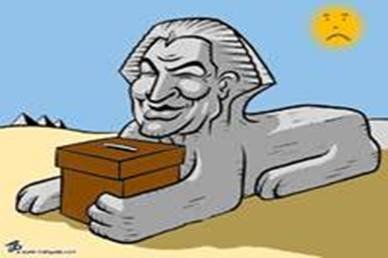
And here’s a link to another feature in the US International Socialist Review. Spread the word (and the image) shabab.

Seminar dubs April 6 strike a turning point in Egypt history

Posted on 07/05/200806/02/2021 By 3arabawy

Sarah Carr reports on the seminar organized by the Center for Socialist Studies on the April 6th strike:

The April 6 general strike was an unprecedented turning point in the Egyptian protest movement, concluded a discussion held Monday at the Center for Socialist Studies titled “What next after April 6 and May 4?”
El-Dostour journalist Haitham Gabr and Al-Karama editor and Kefaya activist Abdel Halim Qandil discussed the factors which led to the calls for the April 6 and May 4 general strikes and their implications for the future of political and social protest in Egypt.
“I regard April 6 as an unprecedented event in the history of the Egyptian [social] movement,” Gabr said.
“It was one of the biggest explosions of anger against the regime and the process of privatization,” he continued.
He said that the current wave of protests is the product of a regime unable to respond to an economic crisis.
“April 6 and May 4 were signs of weakness of a regime crippled by the illnesses associated with old age: a regime which has Alzheimer’s, which increases wages by 30 percent one day, forgets, and then increases fuel prices by 40 percent the day after that.”
“This regime finds itself in an impossible situation: it cannot contain society’s anger through the use of force as this would compromise its international image but, equally, it does not have any economic solutions to appease this anger,” Gabr said.
Gabr attributes current events to the resurgence of the labor movement which began after the December 2006 strike in the Ghazl El-Mahalla factory.
“Mubarak’s regime could not have taken this step except against a background of what has been happening over the last year and half.”
“The driving force behind the Egyptian movement is workers, and the driving force behind the workers themselves is the Ghazl El-Mahalla Factory. On April 6 there was huge solidarity with the Ghazl El-Mahalla strike amongst political movements which were inspired by the workers’ movement.”
“It is this which led to the widening of the Mahalla strike to a political strike.”
While he acknowledged the impact made by the April 6 protest, Gabr was more circumspect about the ability of internet-led activism to initiate credible forms of protest.

Jordan & Lebanon: Support the strikers!

Posted on 06/05/200812/01/2021 By 3arabawy

Our working class brothers and sisters are striking in Jordan and Lebanon over work and living conditions.

Please spread the word to raise solidarity, and I hope the bloggers in those two countries will supply us with more info, photos and videos of the industrial action.

  • Previous
  • 1
  • …
  • 1,256
  • 1,257
  • 1,258
  • …
  • 1,769
  • Next

Search 3arabawy

Follow 3arabawy

  • Facebook
  • Flickr
  • Instagram
  • X
  • YouTube
©2025 3arabawy