Skip to content
3arabawy
3arabawy

Hossam el-Hamalawy

  • Home
  • About
  • Archive
  • Blog
  • Photos
  • Books
3arabawy

Hossam el-Hamalawy

Tag: memory of the class

A story about Gorz

Posted on 28/09/200714/01/2021 By 3arabawy

André Gorz passed away four days ago.

André Gorz

He will be remembered for many things, but for me, a story I read when I was a student will always pop out each time I hear his name mentioned:

In the 1968 Socialist Register he began his article, ‘The working class will neither unite politically nor man the barricades for a 10 percent rise in wages or 50,000 more council flats. In the foreseeable future there will be no crisis of European capitalism so dramatic as to drive the mass of workers to revolutionary general strike or armed insurrection in defence of their vital interests.’

Needless to say, few months later, the May 1968 events took place, with the biggest general strike in the history of modern Europe, including at least 10 million French workers occupying their factories, raising the red and black flags.

No one knows when the tide of events change, and revolutions most of the time take everyone by surprise, including the revolutionaries themselves.

It’s important however not to repeat the mistakes done before. It’s important not to re-invent the wheel each time a working class struggle breaks out.

It’s important we find a way to build an entity that unites the most militant sections of the workers in the industrial areas with the students in the universities, the professionals in their syndicates, and the peasants in their land that can take the fight forward.

Repression will always constitute an impediment, but it’s not impossible to overcome it, just like history showed us over and over again.
‘There can be no revolution without song’

Posted on 22/08/200725/10/2025 By 3arabawy

Tribute to Victor Jara:

Drawing on the long tradition of the guitar-wielding troubadour, Chilean folksinger Victor Jara saw the ‘guitar as gun’, firing-off ‘bullets of song’ at oppressive military regimes and in support of popular struggles. Jara would play his songs about the plight of landless peasants and factory workers in shanty towns, community centers and street demonstrations.
When Salvador Allende was elected in 1970, Jara and others joined him on stage under a banner which read: ‘There can be no revolution without song.’ After the military coup led by Augustus Pinochet on 11 September 1973, all music by these artists was declared subversive and possession of such recordings led to arrest.

More on Jara:

You can see the devotion of Victor Jara to his political ideals most strongly in his support of the presidency of Salvador Allende in 1973. Allende was a part of the Popular Unity party (a subsection of the Communist Party of Chile) and Victor Jara, along with other Chileans singers, gave concerts in favor of Allende and his political goals. Allende was a progressive candidate who had a great love for the people of the small towns of Chile. The Popular Unity party had plans to increase education, and to supply increased housing and free socialized medical care. One of the concerts representative of this campaign for Allende was the concert given in the Stadium of Chile, where many political artists sang in favor of Allende. In the end, the Allende campaign was a success, and he was elected president of Chile, after some political compromise and maneuvering. However, there was much opposition to the election of Allende and the military organized a coup to overthrow the newly placed president. In the resulting coup, Allende was killed and the military seized control of the government. On the day of this tragedy, Victor Jara was at his job in the State Technical University, which was surrounded by the military, who took Victor Jara prisoner for five horrible days. During these days, he was forced to live in cold and dirty prisons without proper food or water, but other prisoners there with him testify that during these sufferings, he was only concerned with the welfare of his fellow prisoners.
Finally, the military brought Victor Jara and other political prisoners to the Stadium of Chile, the place where the concert for Allende has previously been held. There the military men tortured and killed many people. They broke Victor Jara’s hands (Note: many stories indicate that Victor Jara’s hands were cut off, but Joan Jara’s book about Victor indicates that when she saw him after his death, his hands were broken, so that is the version being used in this essay) so that he couldn’t play his guitar, and then taunted him to try and sing and play his songs. Even under these horrible tortures, Victor Jara magnificently sang a portion of the song of the Popular Unity party. After this, he received many brutal blows, and finally was brutally killed with a machine gun and carried to a mass grave.

Finally here’s Jara singing… Cuando Voy Al Trabajo… (Translation below, thanks to Davinca)

When I go to work / I think of you. / In the streets of my quarter / I think of you. /When I look into the faces / through the fogged window / without knowing who they are / where they go / I think of you / I think of you, my life, / think of you, of you, of you / companion of my days / and of the future, / of the bitter hours / and of the joyful (hours) / and having the luck of being allowed to live / cooperating at the beginning of a history / which end is unknown.
When the work is done / and the evening comes / the shadows get longer / over the ridge / and on the return home from (production) work, / disputing (arguing) with friends, / discussing questions / about time and fortune (fate) / I think of you / I think of you, my life / think of you, of you, of you / companion of my days / and of the future, / of the bitter hours / and of the joyful (hours) / and having the luck of being allowed to live / cooperating at the beginning of a history / whose end is unknown. / When I come home, / you are here / and we are connecting (combining) our dreams (visions). / cooperating at the beginning of a history / whose end is unknown.

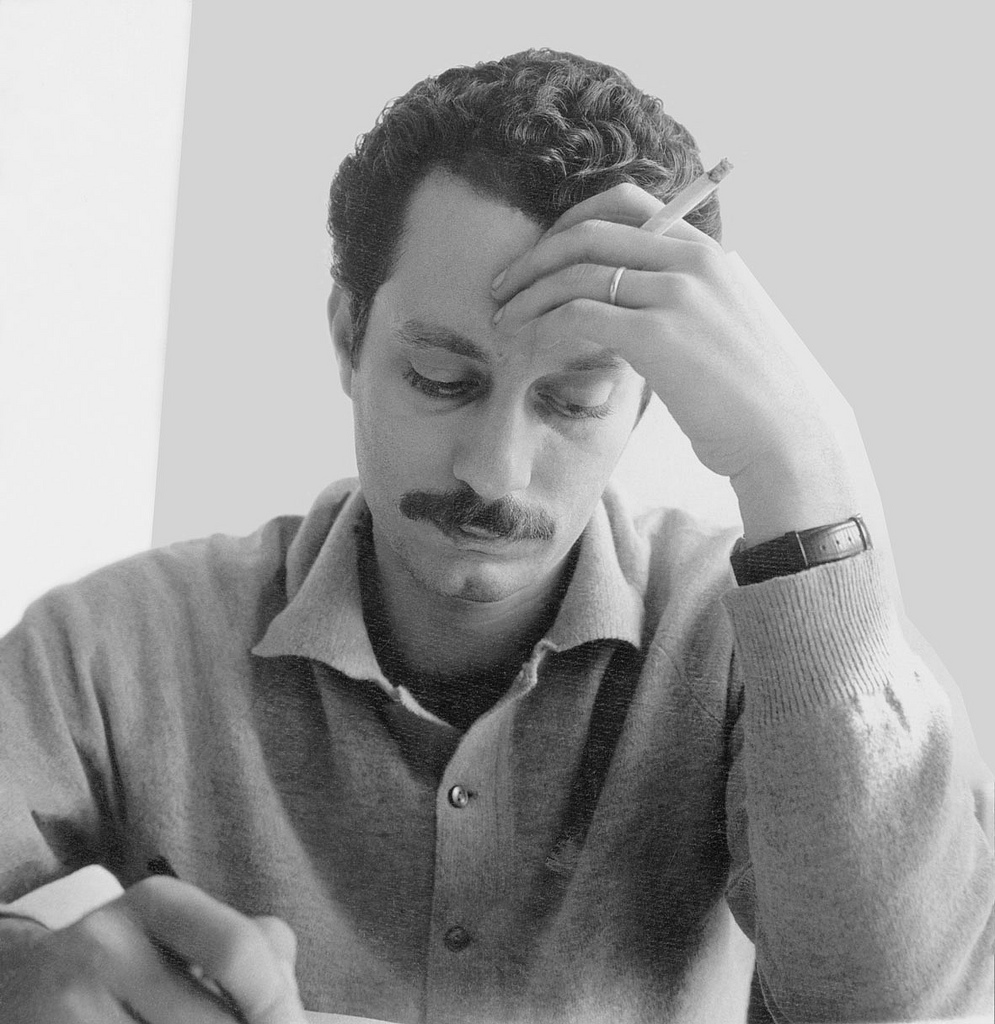
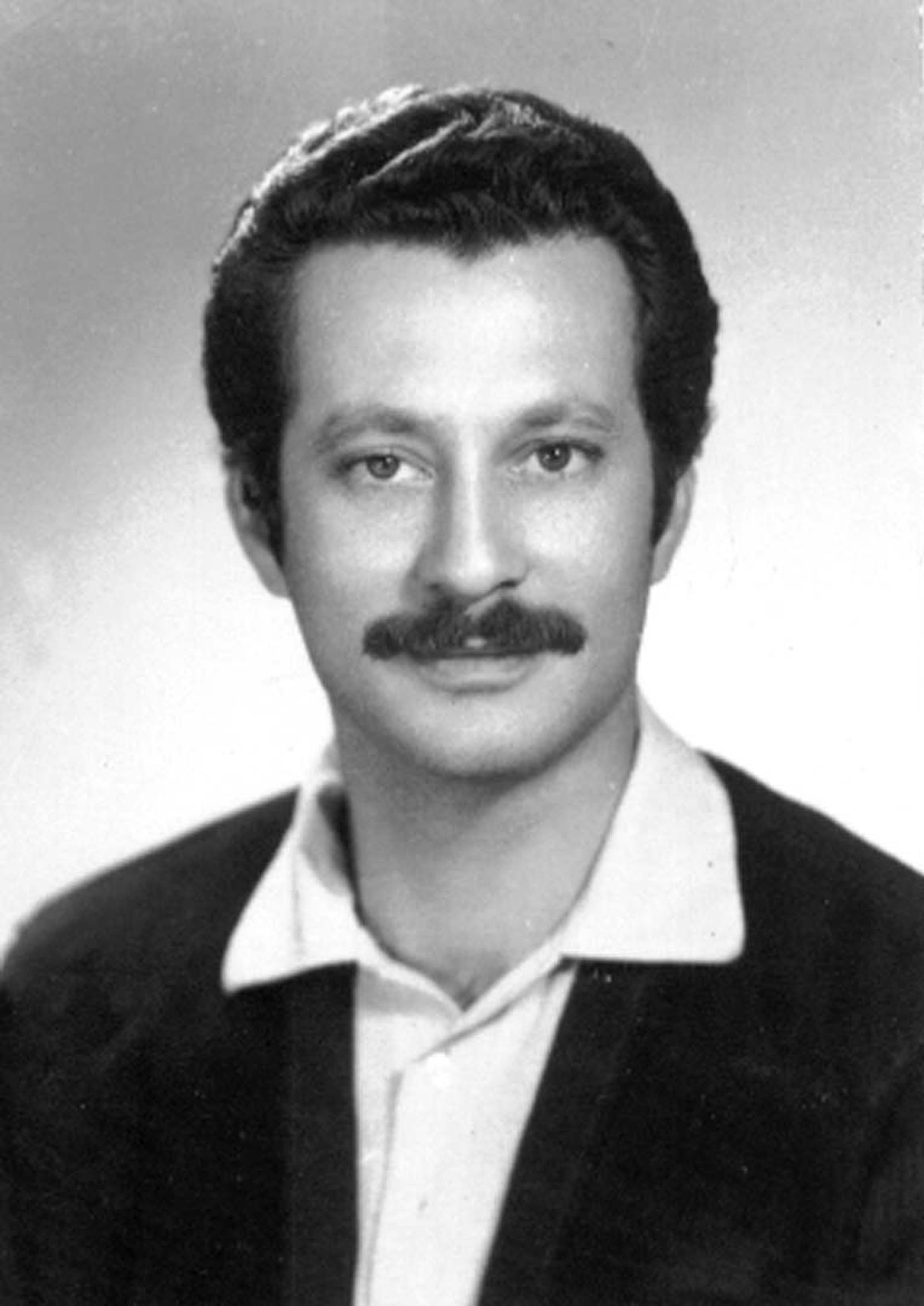
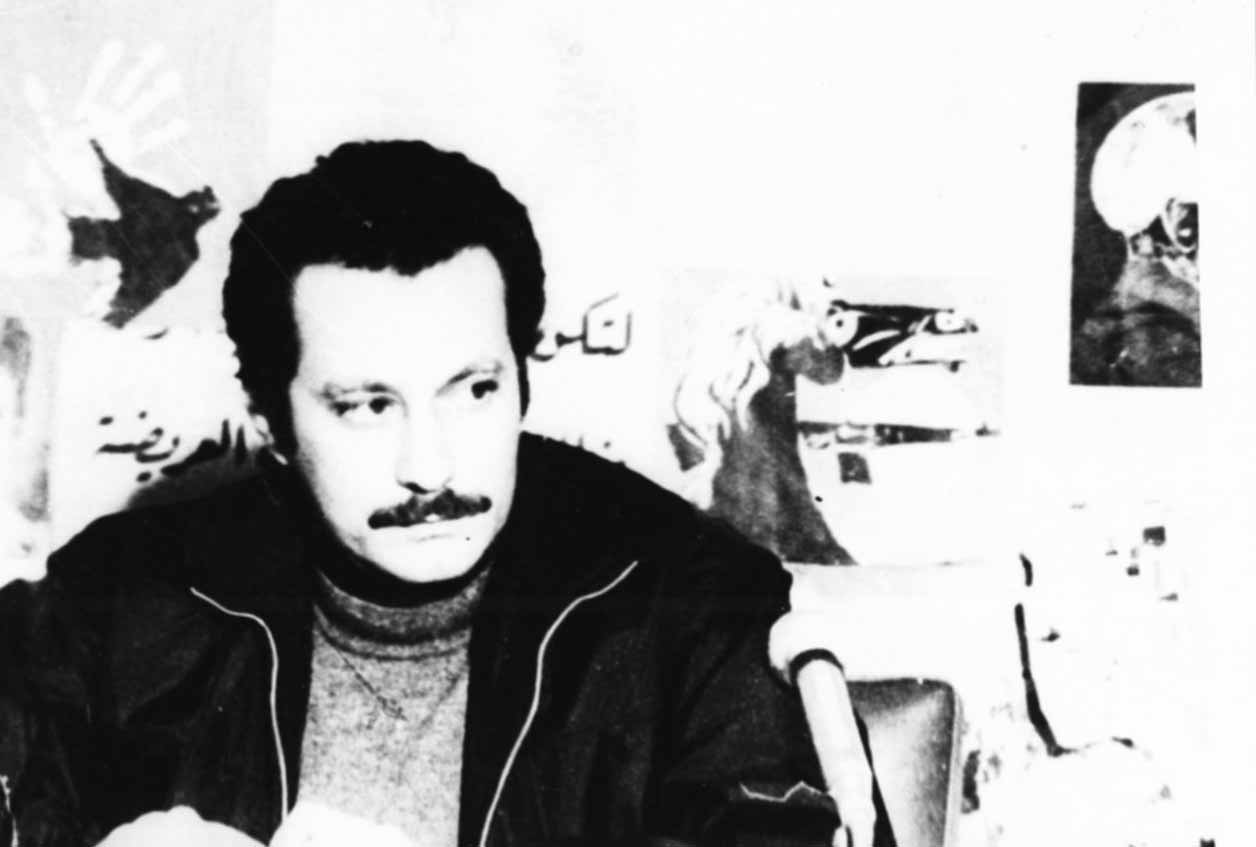
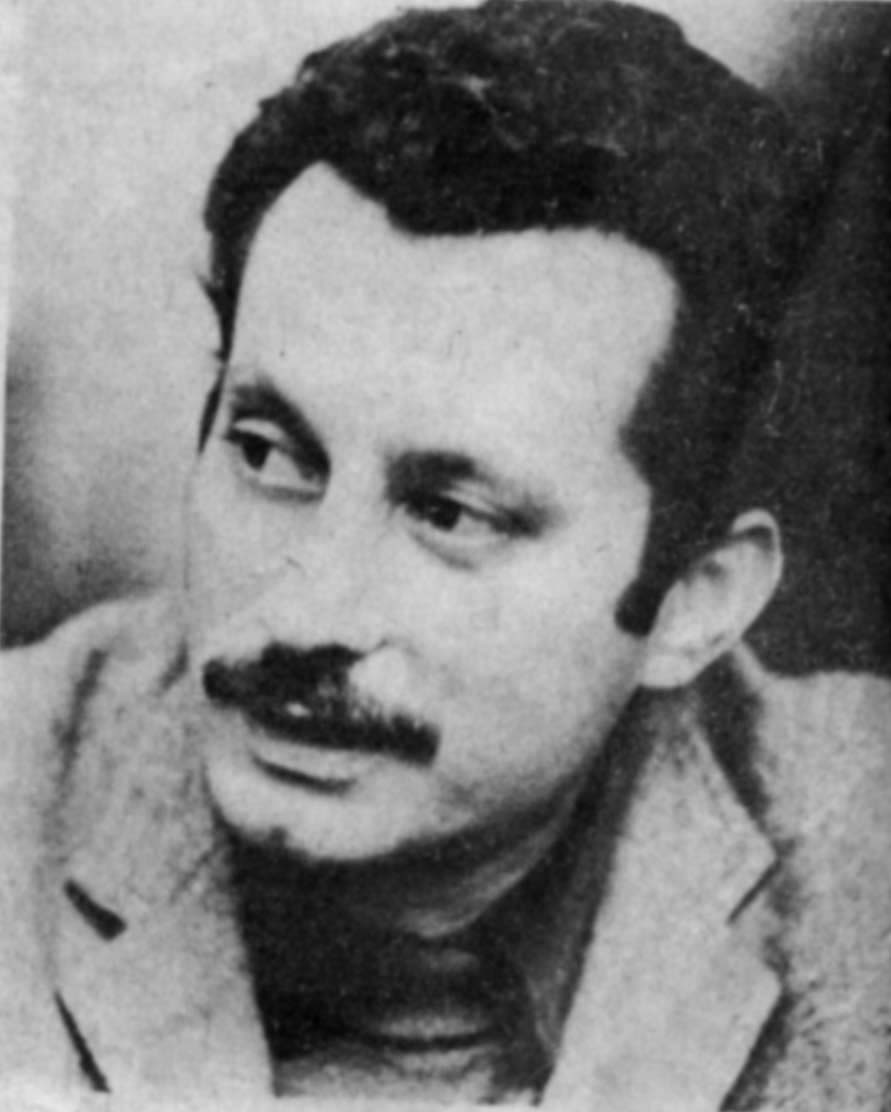
Ghassan Kanafani (1936-1972)

Posted on 07/07/200704/02/2021 By 3arabawy

Tomorrow is the anniversary of the assassination of Palestinian writer and PFLP activist Ghassan Kanafani, killed with his niece 8 July 1972, by a car bomb in Beirut, planted by the terrorist state of Israel.

  • Ghassan Kanafani غسان كنفاني
  • Ghassan Kanafani غسان كنفاني
  • Ghassan Kanafani غسان كنفاني
  • Ghassan Kanafani غسان كنفاني
  • Previous
  • 1
  • …
  • 28
  • 29
  • 30
  • …
  • 33
  • Next

Search 3arabawy

Follow 3arabawy

  • Facebook
  • Flickr
  • Instagram
  • X
  • YouTube
  • Spotify
©2026 3arabawy