Skip to content
3arabawy
3arabawy

Hossam el-Hamalawy

  • Home
  • About
  • Archive
  • Blog
  • Photos
  • Books
3arabawy

Hossam el-Hamalawy

Tag: riots

Some notes on the Mahalla Uprising

Posted on 27/04/200805/02/2021 By 3arabawy

Since the suppression of the riots on the night of the 7th of April, except for few skirmishes every now and then between the families of the detainees outside Mahalla’s 1st Police Station, my sources in Mahalla had nothing to say usually except: “Hodu2 7azer”… meaning the situation is quiet, but there is tension beneath. The whole town has been hit hard by the police crackdown on the protests. At least three are confirmed dead, killed by Mubarak’s police, while the mother of one of the detainees died in court after the police stalled the release of her son.. Hundreds have been rounded up. Lawyers are coming out with reports on the torture of detainees by electric shocks in State Security’s local branch in Mahalla. The detainees were also told by Mubarak’s State Security pigs that their wives would be brought and raped in front of their eyes. Some detainees were “processed in the system” and appeared before the Tanta Prosecutor, while others have been kept illegally in police custody, in addition of course to those whose families don’t know where they went, and it usually takes sometime for them to surface (if ever).

More worryingly has been the detention decrees issued against labor organizers in the factory, including some of the Textile Workers’ League activists, using the provisions of the emergency law (which the regime always claims that it’s only used against “terrorists” and “drug dealers.”) Continuous updates on the situation of the detainees are provided by the HMLC and Tadamon blogs.

ON VIOLENCE:
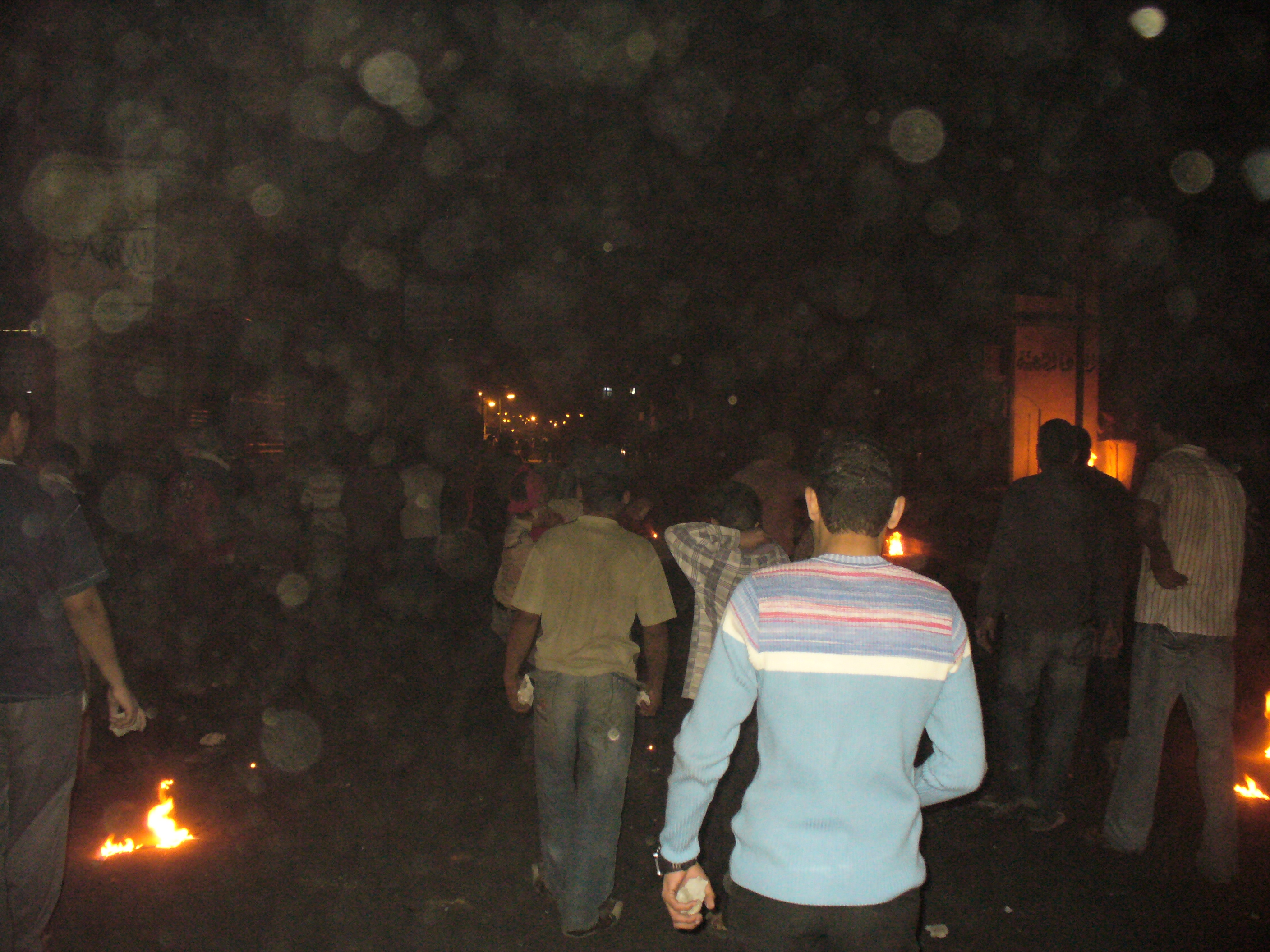
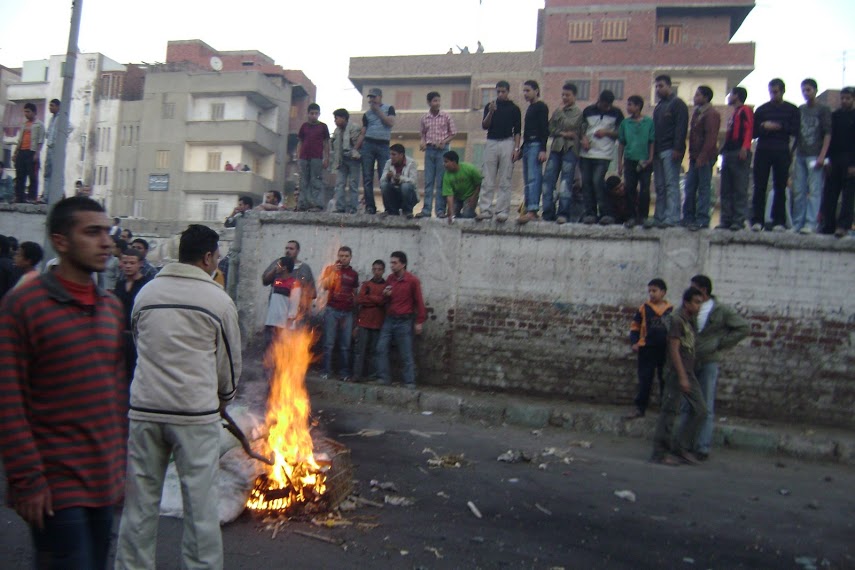
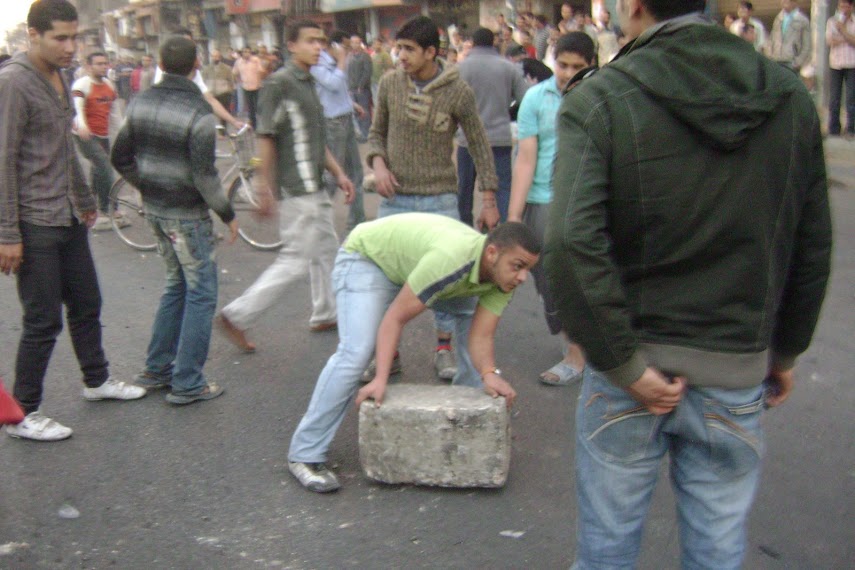
According to all eyewitness accounts, the violence started following the police assaults on the marchers. Prior to that, the demonstrations were peaceful. It is also clear that the demonstrations, especially on the 7th of April, were largely from the urban poor and the young unemployed youth, not necessarily from the blue collar workers in the town. Most of the arson attacks that took place were, according to at least three journalists I know who witnessed the events as well as Socialist activists in the town, were carried out by the urban poor youth.
I blogged before about the urban poor and violence in the 1977 Bread Intifada as well as riots in general, and I urge you dear readers to check those two postings when you have the time. And just like in the case of 1977, the targets of the rioters were not that “random” but held significance or links to the symbols of power and wealth in society. Journalist Jano Charbel, who photographed a burnt down van, was told by the rioters for example that it was a “government van.” The restaurants burnt down in Mahalla belonged to NDP businessmen who refused to close down shop on April 6th, according to James Buck who wrote me: “protesters ravaged the restaurant to protest NDP. In other words, not random looting.”
In other incidents, we can also suspect some police provocation. Our pigs are known for their dirty history of provocation and fabrication, from the Kafr el-Dawar massacre in 1952 (that witnessed the execution of two Communist workers Khamees and el-Baqari by Nasser’s new “Revolutionary” regime) to the Victorious Sect… Eyewitness accounts are emerging accusing the police and the NDP thugs of facilitating the looting of Taha Hussein school, which was torched and looted in Mahalla, as well as their involvement in other attacks on property.

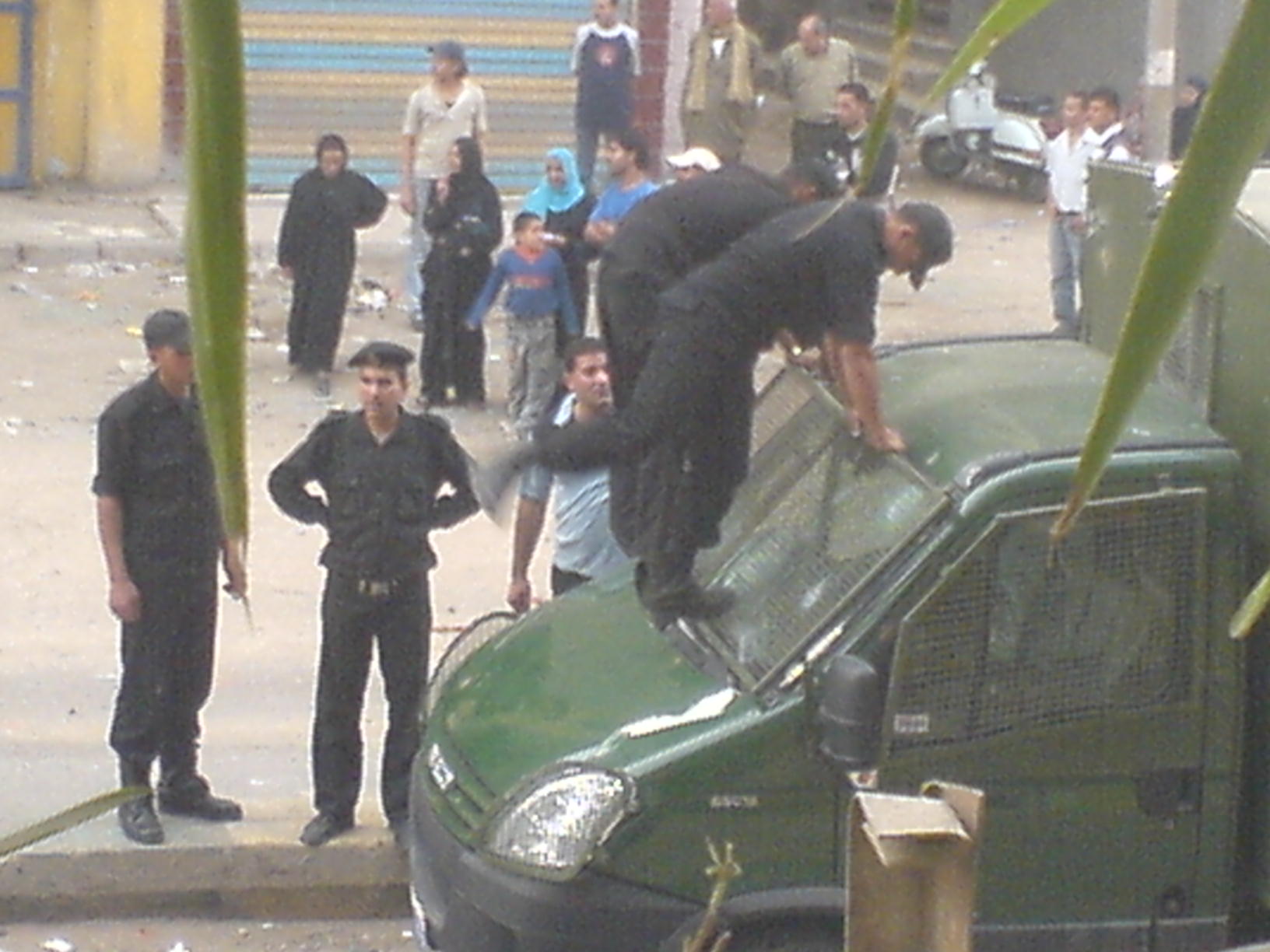
Photos also appeared on the blogs where Central Security Forces conscripts themselves (not the protesters) are destroying their own trucks:
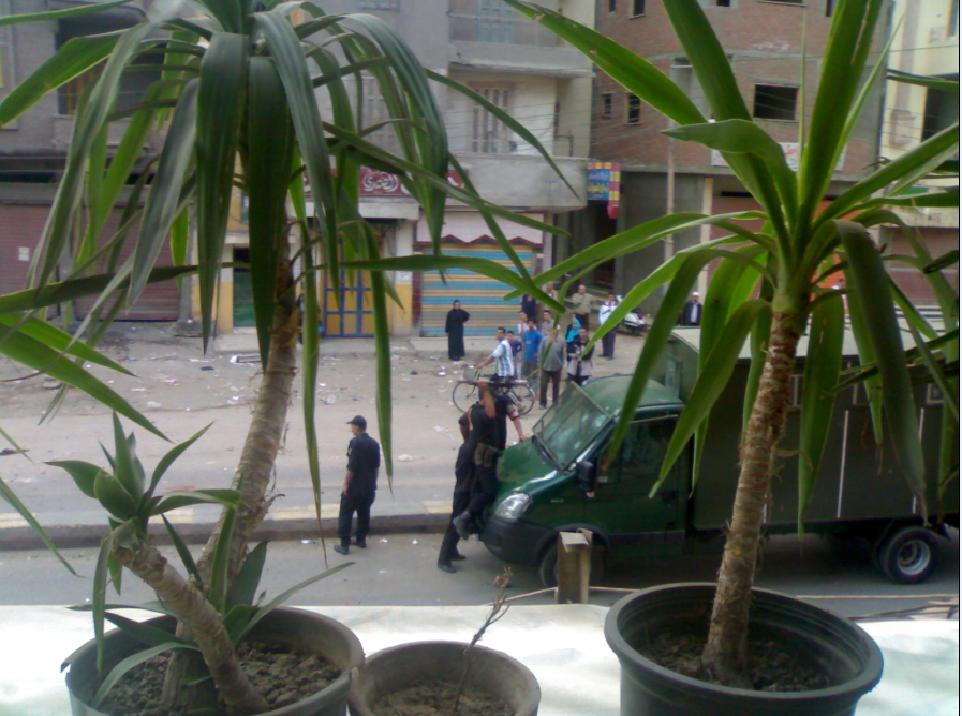
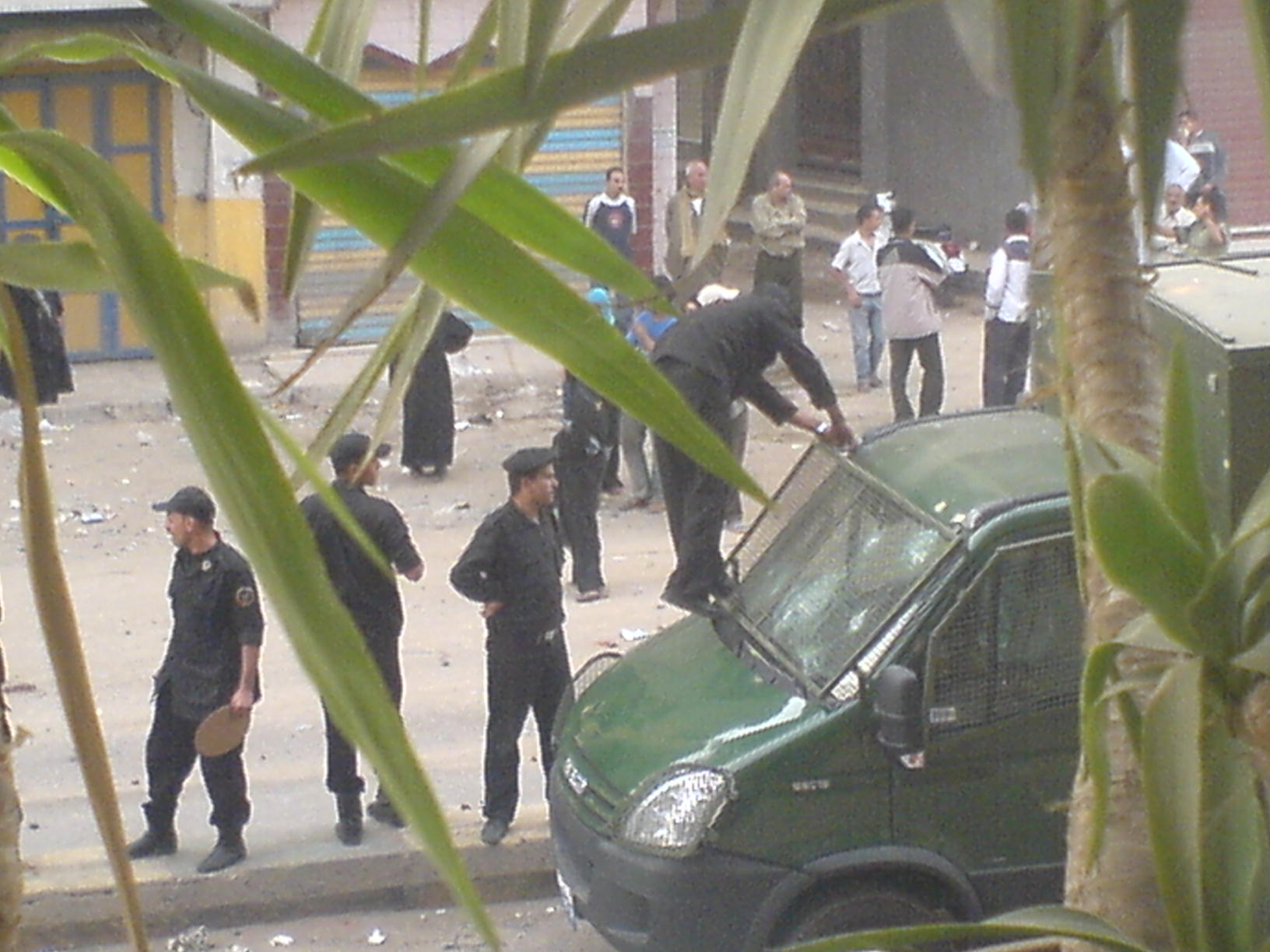
  • Police sabotage their own trucks, then blame the demonstrators تخريب متعمد من شرطة مبارك لإلقاء اللوم زورا على المنتفضين بالمحلة
  • Police sabotage their own trucks, then blame the demonstrators تخريب متعمد من شرطة مبارك لإلقاء اللوم زورا على المنتفضين بالمحلة
  • Police sabotage their own trucks, then blame the demonstrators تخريب متعمد من شرطة مبارك لإلقاء اللوم زورا على المنتفضين بالمحلة

While those who fought the police during the Mahalla uprising were mainly the urban poor, because of the “Combined and Uneven” fashion capitalism has evolved in Egypt, class structures are sometimes elusive, and this couldn’t be more true in the case of the Nile Delta (in comparison, for example, to the new industrial urban centers like those in the 6th of October, 10th of Ramadan, etc..) This means that in one family you can have one industrial worker, his brother may be working in the informal sector, and their third brother could be the owner of a small plot of land that he farms with his wife and kids. So if the rioting was done mainly by the poor they will have relatives in the factories all over Mahalla and they are all angry.

But again, what’s next for Mahalla?
The socialist labor organizers in Ghazl el-Mahalla factory, who haven’t been arrested (yet), highlighted two things:
1- There’s so much tension in the factory over the detentions. This creating both fear among some and rage among others. The management cronies assure the workers every now and then that the detained organizers will be released soon. Muhammad el-Attar and the CTUWS activists who helped sabotage the 6th of April Strike in collaboration with the regime, on the other hand have “disappeared, and we don’t see them around that much. And when they show up, they keep talking about ‘how dangerous the communists in the factory are‘”
2- More importantly, all eyes are focused on the 30th of April, when Hosni makes his annual May Day speech, one day before the country marks it. There is a wait-and-see mood among the factory floor in Ghazl el-Mahalla. “The people are waiting to hear what he has to say about the national minimum wage and the other economic demands we made. Those in the factory understand what Nazif did was a bribe to calm down everyone and make sure the workers do not join the demonstrations outside the factory. And that worked for some. But this one month bonus decreed evaporates in few days because of the rising prices. Also the 20% increase announced by the govt is much less than what we want… Things can go on fire, and we find it difficult at the moment to predict what will the reaction be. Let’s hear what the guy (Hosni) has to say, as any mobilization prior to that and under the current conditions will be suicidal.”

ON GENERAL STRIKES, INTERNET ACTIVISM & CYBER-FANTASIES:
A general strike is when the workers bring the entire country to halt by stopping work. That’s the simple definition.. That’s it! Bring the bloody country to halt! How can this happen?
1) The action can happen spontaneously, without the direct intervention of political groups, just like the case of the Jan ’77 Bread Uprising… But in that case, expect the events (especially under the current conditions) to achieve minor gains, since it’ll be like a boiling water evaporating in the air without a valve that can direct all the energy in a certain direction. In the case of the Jan’77 uprising for example, the people managed to force Sadat into reversing the economic decrees, but didn’t overthrow the Sadat regime (which was very very very feasible to happen) who continued to rule till the dictator’s assassination in 1981.
2) A general strike can be called for by a political group(s)… BUT IN THAT CASE, WHOEVER CALLS FOR THE GENERAL STRIKE MUST HAVE THE ABILITY TO EXECUTE IT!!! A few bloggers sipping coffee in the Boursa Cafe in downtown Cairo cannot bring about this general strike… A group of “Facebook activists” cannot also mobilize for it, neither are the current opposition groups all together… You gotta have your cadres in the workplaces who will distribute leaflets in support of the strike, debate with their colleagues who may be skeptic about the action and its fruits, to be in touch with other workplaces who will simultaneously go on strike, organize smartly against the expected police assaults or management witch-hunt… A general strike is not a fucking joke! This is serious business people!
I expressed previously huge reservations, which I and my comrades in the Socialist movement had re the April 6th Strike call, and we made it clear for everyone that the Socialists are NOT endorsing the call, but will be mobilizing solely in Mahalla, the campuses and in some of the industrial centers where the movement has presence ON THE FREAKIN GROUND NOT THE CYBERSPACE!
And let’s face it: The country was not brought to halt on the 6th. Yes, traffic was very light in Cairo, and attendance in some universities was low.. But the trains kept on going, so did the buses and virtually all other main govt and business facilities… The factories that were brought to a halt or semi halt where the cement and grain mills… PLACES WHERE THE SOCIALISTS EITHER HAVE PRESENCE OR SYMPATHIZERS ON THE GROUND… ON THE GROUND PEOPLE.

Make sure you read Comrade Yehia Fekri’s article in the Lebanese daily Al-Akhbar, as well as the following statement issued by the Center for Socialist Studies.

The media hype around the bloggers and “Facebook activism” meant that the credit for the Mahalla events more or less went to the cyberspace! This was presented in the independent and foreign media as largely an effort mobilized by Israa and her peers on the Facebook strike group. The state-owned (and the Al-Masry Youm) media outlets did not miss out on the party either, and went on bashing the “internet activists) and of course they had slip in something about Israel too in the reports, and how the Israelis are now exploiting the Egyptian Facebook groups to learn more information about Egypt! Ya7’i A7a! Israel is waiting for our Facebook to know about Egyptian politics!!!?? Whatever Israel wants to know about Egypt, believe me they’ll get it from Omar Suleiman’s mouth itself! Stop this Ra’afat el-Haggan bullshit. These days are over. The Egyptian regime and the Israelis are sleeping in the same American bed.

But to make the problem worse, some bloggers and Facebook activists actually believed what the media said, and they think now they are the ones who hold the keys to street dissent. Others like the Islamist-leaning Labor Party went as far as founding a “provisional government” on facebook!! Well, good luck! And now the internet activists are calling for another “general strike” on May 4th to coincide with the dictator’s birthday.. What we are doing is making fools out of ourselves, destroy our credibility, confirm stereotype about bloggers being “IT nerds who sit in front of their computer screens and live in virtual reality’ remote from what goes on in the street… and cause demoralization among our supporters… Already I can read on my Twitter feeds some bloggers who were enthusiastic for the 6th of April strike are now feeling demoralized— especially when Ghad Party member Israa, who was presented in the media as the “leader” of the strike being the facebook group administrator and in the cyberspace she turned into some national champ with some even going as far as naming her the new “Baheyya” of Egypt, came out from prison to shower praise on the regime and express her “regret” over her initiative to launch this facebook strike group, and said she “repented” in prison and “would never do this again”…!

This does NOT mean we shouldn’t stage actions on that day… Let’s mobilize in solidarity with the detainees in Mahalla and elsewhere who are still in prison, thanks to the detention decrees by Mubarak’s Torturer-in-Chief General Habib el-Adly.
Updates from Mahalla

Posted on 07/04/200805/02/2021 By 3arabawy

I’ve spoken with an activist in Mahalla, where it’s almost 2pm now. The city is under police occupation, but since last night it’s been quiet.

Try to imagine what the pictures you see of Palestinian towns under occupation… Mahalla is similar to that now. Soldiers, armored vehicles, firetrucks.. Since last night the clashes ended. But who knows, everything may change in a second. The morning shift went in by 7:30am. The production in the factory is still on as I’m talking to you now. We will see how things develop.

Families of detainees have assembled in front of the town’s police stations, trying to see them and bring them food, clothes.

There were unconfirmed reports that blogger Kareem el-Beheiri was detained by the police sometime at night, but Nora says that the reports were merely rumors.

In other news, The Egyptian Workers and Trade Unions Watch issued a report on the industrial action in February. Some stats from the report: 42,000 workers took part in either strikes, sit-ins or demonstrations during that month, while 54,000 workers threatened to do the same… The month also witnessed 22 sit-ins, 13 demonstrations and 10 strikes…
More later…

UPDATE: CLASHES started again at 4pm.

UPDATE: Blogger Ahmad Abdel Fattah called from Mahalla: “This govt wants to kill us and kill everyone here. The demonstrations are strong. Clashes are happening again with the police. I can hardly breath from the teargas. I’ll send you photos soon.”

UPDATE: I’ve spoken to a Socialist activist in Mahalla. He says around 4pm a 2000-strong demonstration started in El-Bahr Street in Mahalla. The protesters were chanting against the govt, price increases, police brutality. The troops cracked down on the demonstration, but that hardly made the demonstrators disperse.. Instead, over the course of an hour, the protest grew to something between 40 to 50,000, according to the activist. It’s passed 7pm now in Mahalla. There is not one demonstration, but several.. Most of the demonstrators’ chants are against the govt and calling for the release of those detained yesterday. The police renewed its crackdown, and arrests are being conducted now.

UPDATE: I received an email from activist Ahmad Droubi:

Sharkawy was harassed at 6th of October police station by maba7eth [Police]. He was hit but no injuries reported; except that he’s really pissed off! He is currently at the public prosecutor’s in 6th of October awaiting a decision; he was not questioned again today. Apparently all male detainees were hit overnight.

UPDATE: Listen to the chants of the protesters in Mahalla: “Hey Gamal [Mubarak]! Tell your dad, Mahalla will fuck him…” while in this video, the Mahalla citizens are chanting: “Hosni [Mubarak]! Fuck you!”

UPDATE: I received the following statement from the Center for Socialist Studies:

In light of recent events in Egypt yesterday April 6, 2008, the Center for Socialist Studies calls on supporters of freedom and justice everywhere in the world to show there support for victims of repression in Egypt. Mount pressure on the Egyptian dictatorship to release more than 800 detained yesterday including; more than 150 political activists (socialists, liberals, and Islamists), more than 600 protesters from Mahalla (mainly women and children) and Mahalah strike Committee leaders Kamal El-Faioumy and Tarek Amin- who are facing serious allegations of agitation which can lead to long prison sentences.
On the background of a call for strike on April 6th in Mahalla textile complex by the workers, political forces decided to support the strike through parallel symbolic work stoppage and peaceful protests. However, the Mubarak regime in retaliation decided to occupy El-Mahalla complex with security forces, abduct strike committee leaders Kamal El-Faioumy and Tarek Amin, arrest political activists of every political tendency in Cairo and other cities. Not able to suppress the protests, the Mubarak security forces used rubber-bullets, tear-gas, and live ammunition against Mahalla people who decided to protest on the streets of the city and in different villages, leaving at least two dead and hundreds injured.
As fighters in this struggle, the Center for Socialist Studies, calls on all activists and supporters of freedom and justice everywhere in the world to support us in our fight. The inspirational fight of the Egyptian working class over the past 18 months, which culminated in El-Mahllah events and the mass protests of yesterday –and the terrified reactions of the Mubarak regime- have proved our faith in the centrality of the working class to liberate Egypt from dictatorship and exploitation.
We call upon you circulate the news about the maximum repression and violence of the Mubarak regime, which left at least two killed in Mahalla, including a 9-year old boy. We call upon you to organize rallies and protests in front of the Egyptian embassy where you live and to send protest messages and letters against the Mubarak regime.
Long live the struggle of the working class!

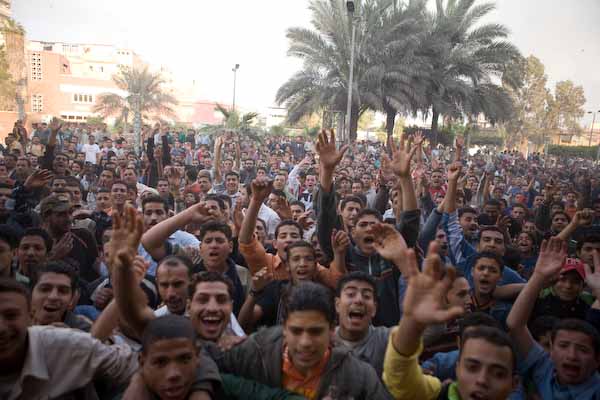
UPDATE: The confirmed deaths in Mahalla go up to 4 martyrs till now. The police continued for the second day cracking down on protesters, who used molotov cocktails and rocks, in scenes reminiscent of the Palestinian intifada… Tadamon reports that the mass demonstrations today was targeting Mahalla’s Police Station where many of the detainees are locked up. Tadamon puts the number of demonstrators at 20,000. However two Socialist activists who took part in the protests insist the numbers were higher and go up to 40 or 50,000.

Here’s also a report from the Daily News Egypt by Sarah Carr:

Public prosecutor Abdel Meguid Mahmoud announced Monday that 157 people involved in the demonstrations which erupted in Mahalla on Sunday have been charged with a range of offenses including riotous assembly and criminal damage.
Violence again erupted in the town on Monday. Protests began in the afternoon at around 4 pm, in a repeat of yesterday’s events when thousands of Mahalla residents and workers in the Ghazl El-Mahalla textile factory took to the streets following the afternoon shift.
Protesters are angry about the collapse of a strike in the Ghazl El-Mahalla factory, planned for Sunday but which was aborted after intimidation by security bodies and internal divisions between workers.
During yesterday’s demonstrations violent clashes occurred between members of security bodies and protesters. According to Mahmoud, the clashes resulted in the injury of 35 demonstrators, 26 policemen and three senior officers.
The public prosecutor denied rumors that fatalities occurred during yesterday’s demonstrations.
Activist websites had published reports that two people had been killed when security bodies used teargas and live ammunition to contain the demonstration.
Mahmoud also said that eleven shops and two schools were damaged during yesterday’s protests.
An eyewitness who was in Mahalla on Monday told Daily News Egypt that the situation remains extremely tense.
“Relatives of people who have been arrested started a procession from the public prosecution office in Mahalla to the Shona Square,” said Ahmad Ghazi, a lawyer with the Egyptian Organization for Human Rights.
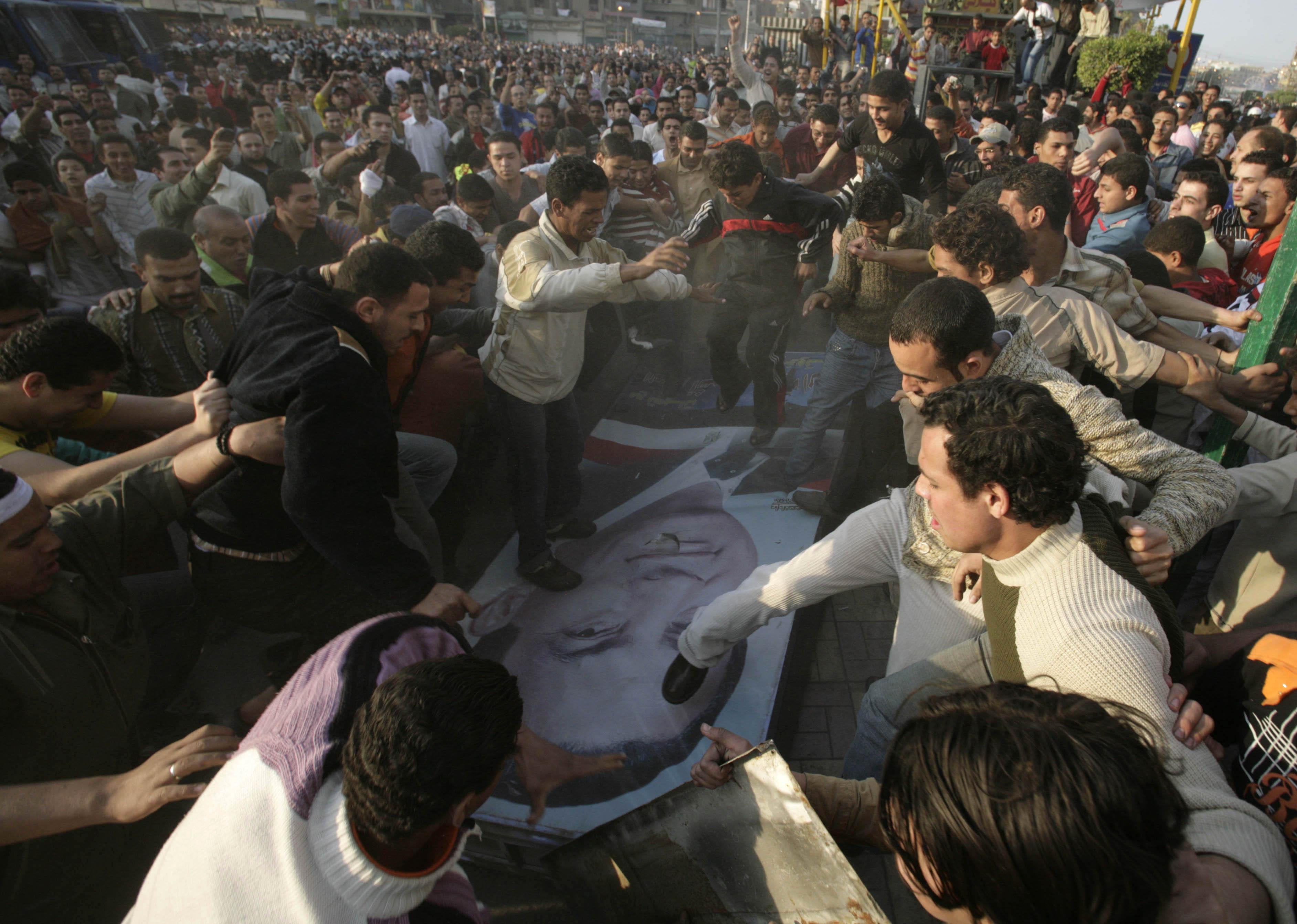
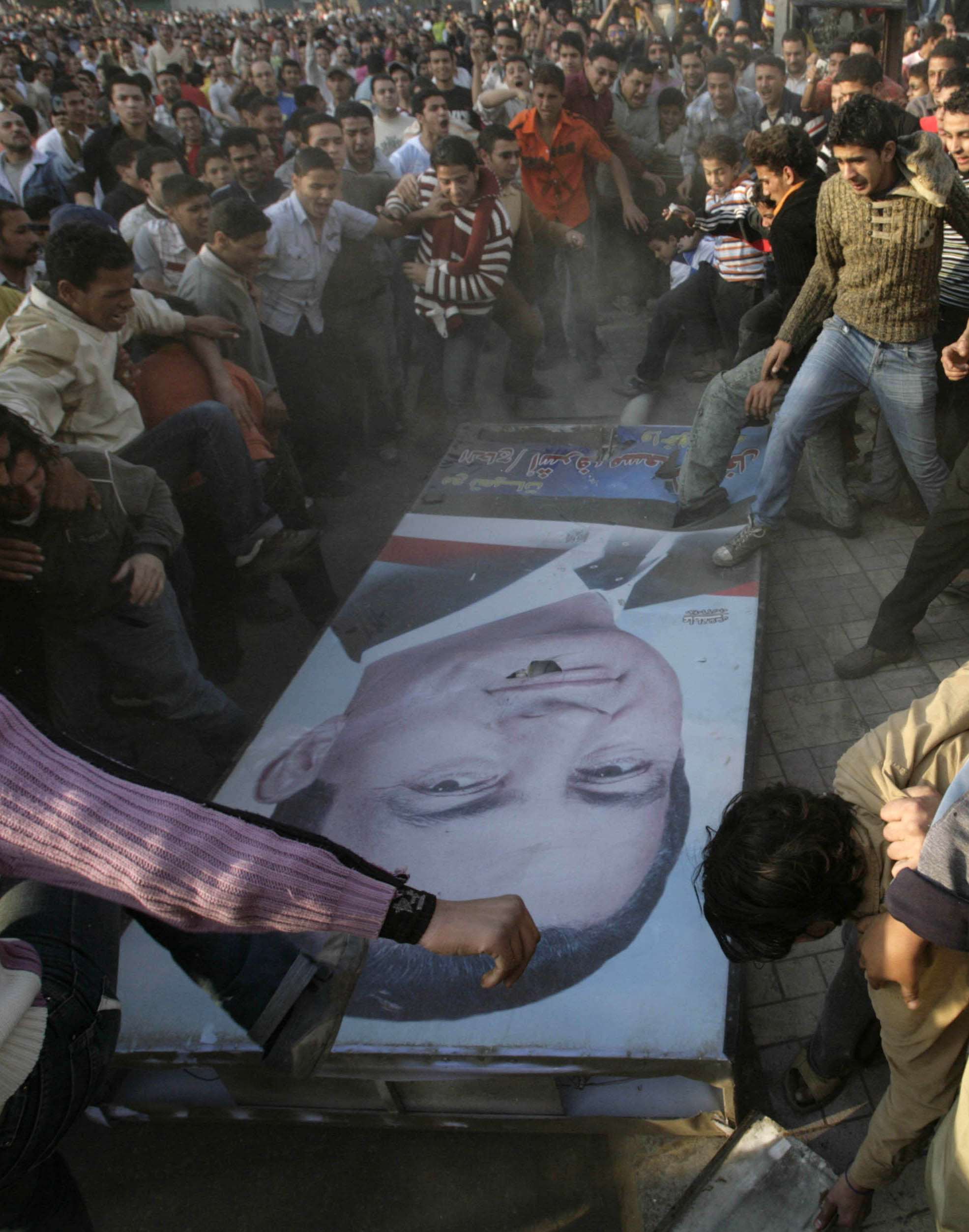
“Young men ripped down a poster of [President] Mubarak in the square and set it alight,” he continued.
“Security bodies are using teargas and firing ammunition at the crowd and both protesters and members of security bodies have been injured,” Ghazi said.

Photographer and friend Nasser Nouri was in Mahalla on Sunday, and was shot in the leg by a rubber bullet. Despite being in so much pain, Nasser continued reporting on Monday, limping his way around the rough streets in Mahalla, taking shots of the riots as well as the police violence. Below are a couple of the photos he took today of the Mahalla heroes smashing Mubarak’s posters.

UPDATE: Prosecutor ordered the detention of blogger Muhammad el-Sharqawi and Kefaya’s Muhammad el-Ashqar for 15 days pending investigation.
Meanwhile, the Textile Workers’ League activists Kamal el-Fayoumi and Tarek el-Senoussi are locked up in the notorious State Security local office in Mahalla, while reports are conflicting whether Ghazl el-Mahalla blogger Kareem el-Beheiri was detained or did he “disappear.” A solidarity committee has been set up to support the detainees. WE NEED DONATIONS FOR THE DETAINEES in Cairo, Mahalla and the other provinces. If you are in Cairo, just go to the Hisham Mubarak Law Center (1 Souq el-Tawfiqiya St) and see how you can help.

UPDATE: Zeinobia continues blogging the protests and monitoring the local press, while Per Björklund is twittering from Mahalla.

UPDATE: The 6th of April Strike Blog reports with photos on a spontaneous protest in front of Cairo’s Abdeen Court, and receives health complaints from Mahalla over the pigs’ showering the city with teargas bombs.

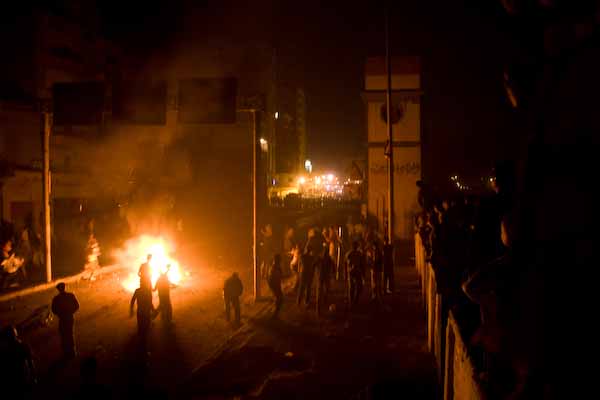
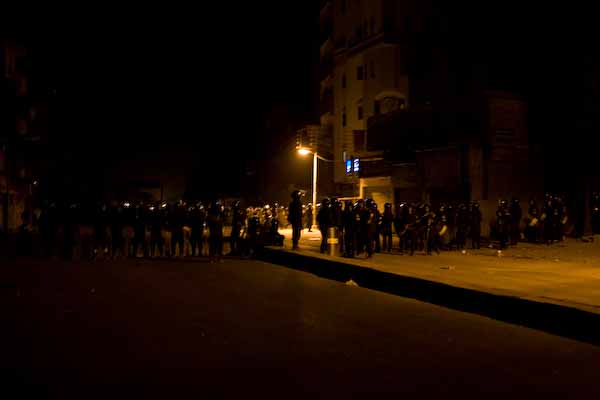
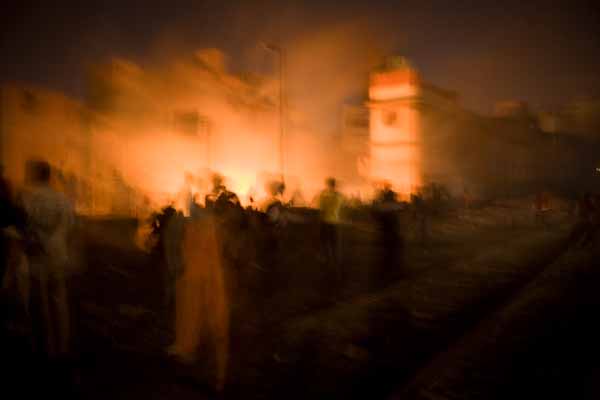
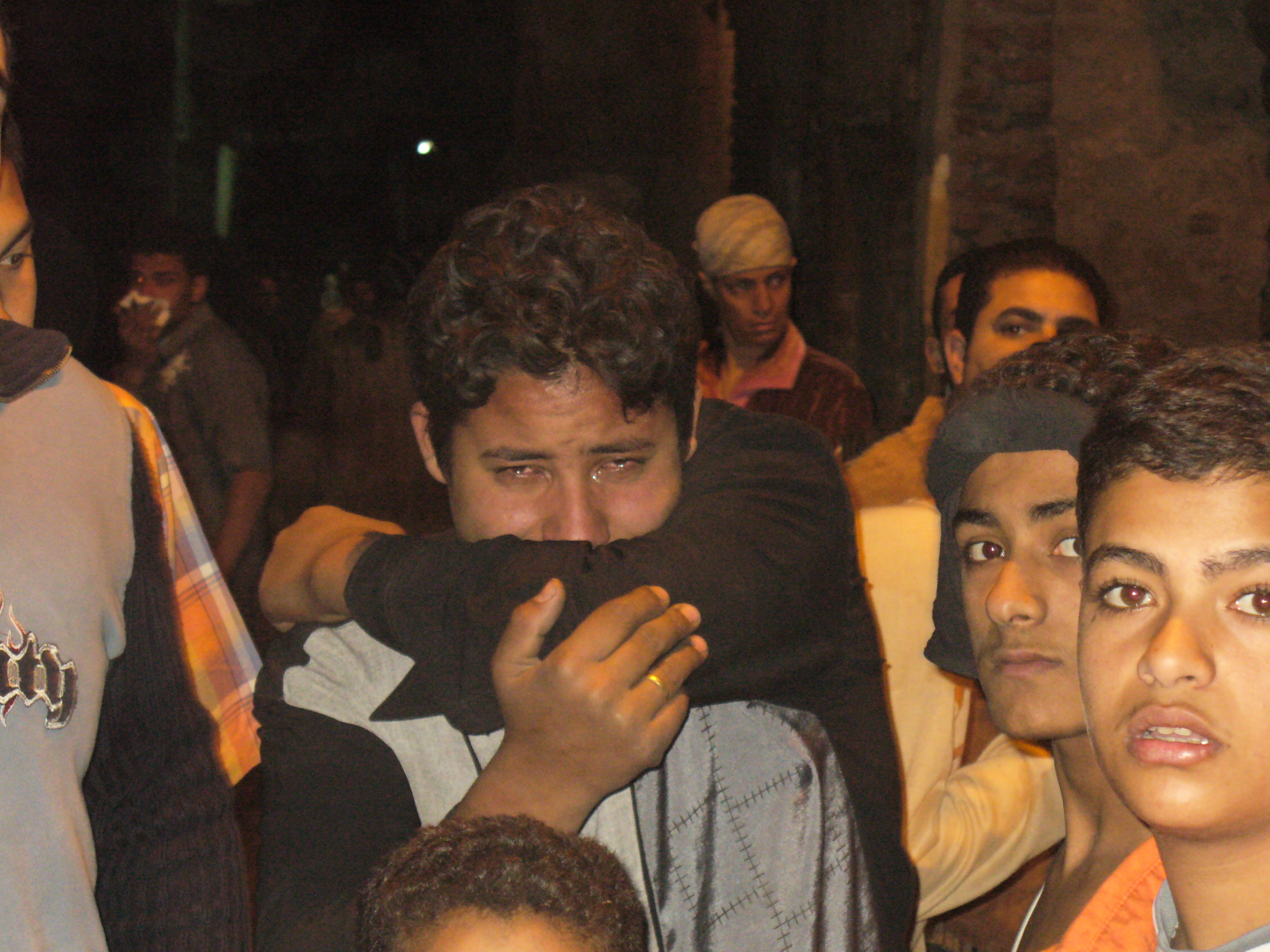
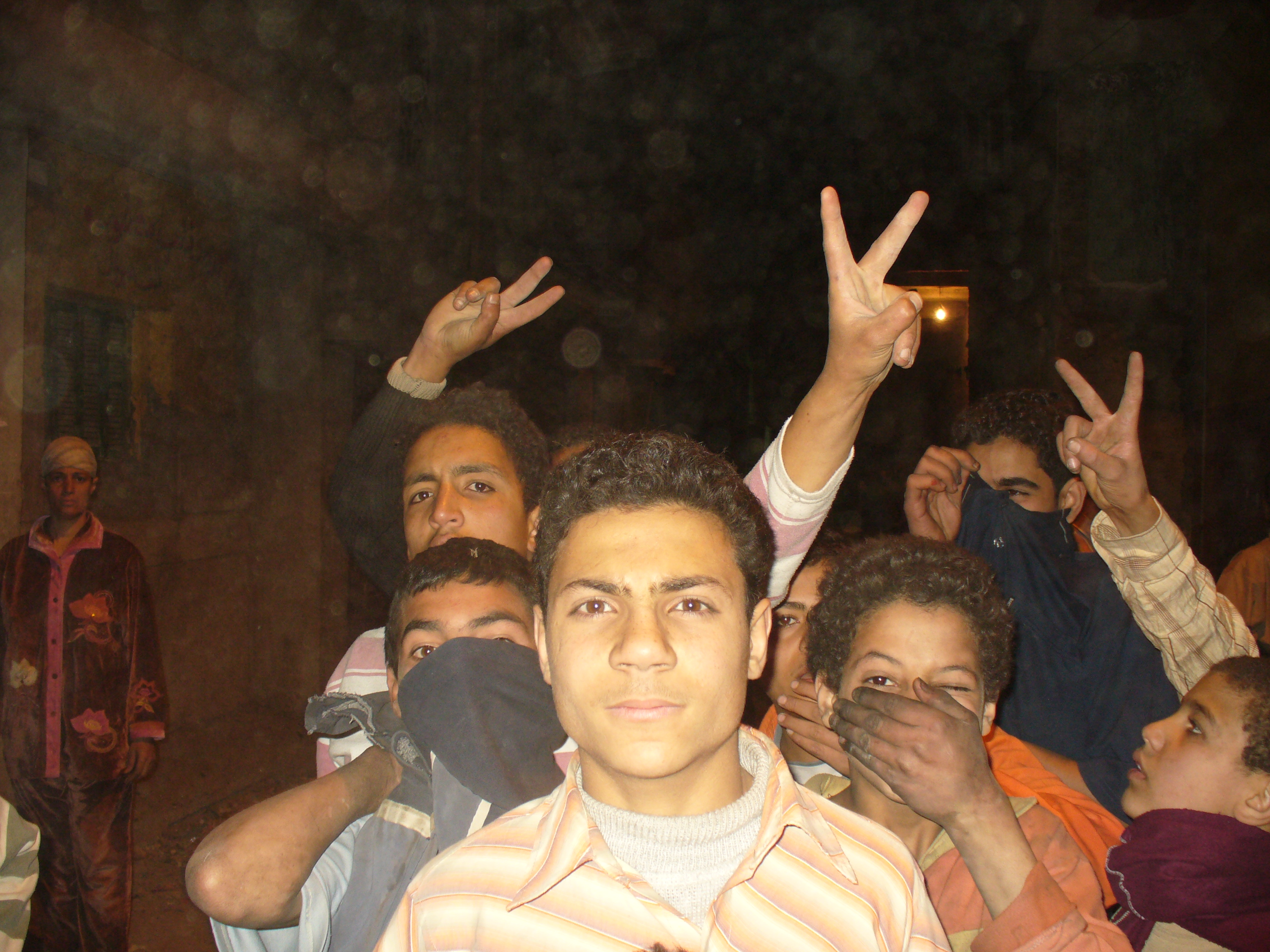
UPDATE: More photos of Day 2 of the Mahalla riots, taken by James Buck…

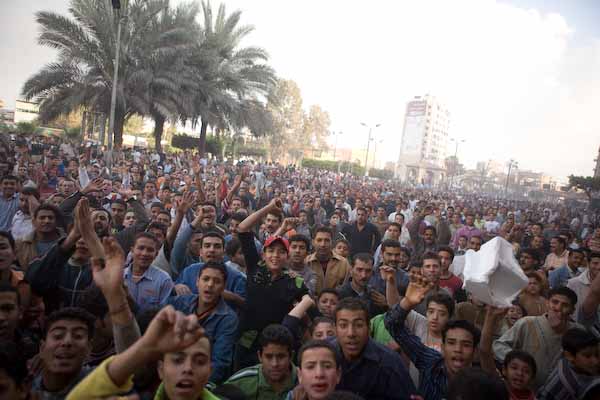
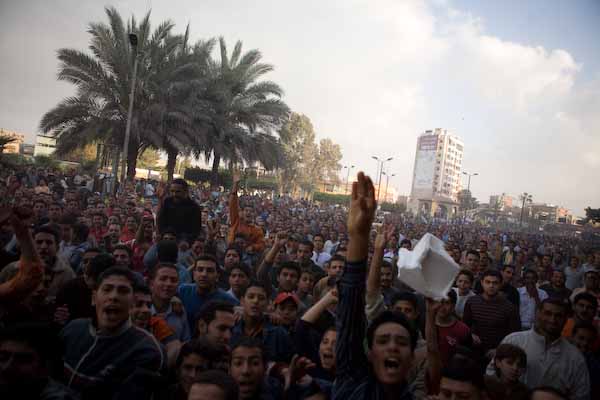
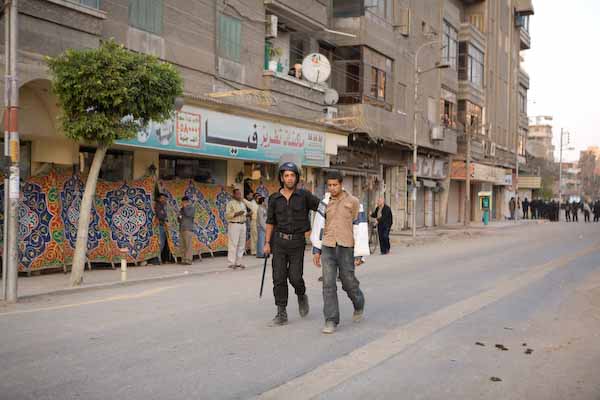
  • ​Mahalla Uprising, 7 April 2008, Photo taken by James Buck​
  • ​Mahalla Uprising, 7 April 2008, Photo taken by James Buck​
  • ​Mahalla Uprising, 7 April 2008, Photo taken by James Buck​
  • ​Mahalla Uprising, 7 April 2008, Photo taken by James Buck​
  • ​Mahalla Uprising, 7 April 2008, Photo taken by James Buck​
  • ​Mahalla Uprising, 7 April 2008, Photo taken by James Buck​
  • ​Mahalla Uprising, 7 April 2008, Photo taken by James Buck​
  • ​Mahalla Uprising, 7 April 2008, Photo taken by James Buck​
  • ​Mahalla Uprising, 7 April 2008, Photo taken by James Buck​
  • ​Mahalla Uprising, 7 April 2008, Photo taken by James Buck​
  • ​Mahalla Uprising, 7 April 2008, Photo taken by James Buck​
  • ​Mahalla Uprising, 7 April 2008, Photo taken by James Buck​
  • ​Mahalla Uprising, 7 April 2008, Photo taken by James Buck​
  • ​Mahalla Uprising, 7 April 2008, Photo taken by James Buck​
  • ​Mahalla Uprising, 7 April 2008, Photo taken by James Buck​
  • ​Mahalla Uprising, 7 April 2008, Photo taken by James Buck​
  • ​Mahalla Uprising, 7 April 2008, Photo taken by James Buck​

“You can feel there were support for the demonstrators among the citizens,” James told me over the phone. “Whenever police attacked the crowds, you always found residents opening up their homes for those who are trying to escape.”

UPDATE: A report by labor journalist Jano Charbel on the second day of rioting in Mahalla:

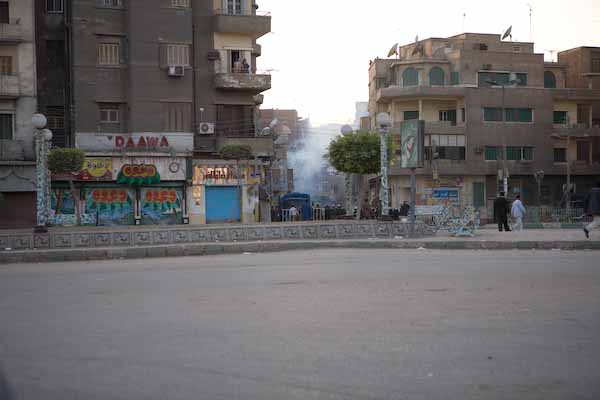
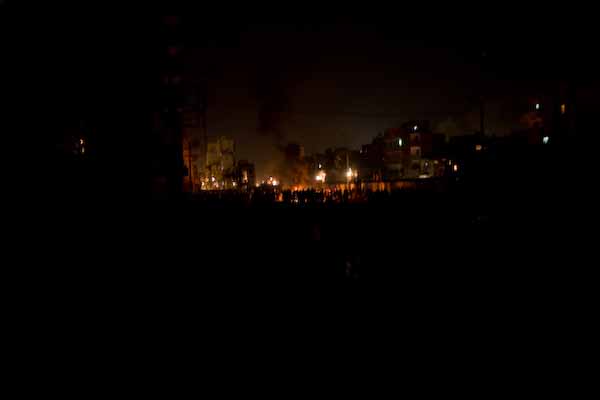
A popular uprising has been taking place in Al Mahalla Al Kobra since April 6. Local residents, in the tens of thousands, took to the streets of this Nile Delta city in protest against price hikes, and in protest against the detention of more than 300 locals. With stone-throwing youth and Central Security Forces engaged in running street battles Al Mahalla has come to resemble the occupied Palestinian territories; and the protests in this city have come to resemble an intifada. Over 100 civilians and members of the security forces have been injured in clashes, and at least one civilian (a 15 year old boy) has been killed.
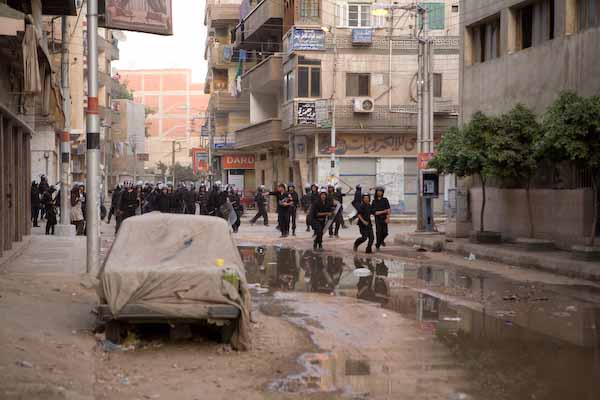
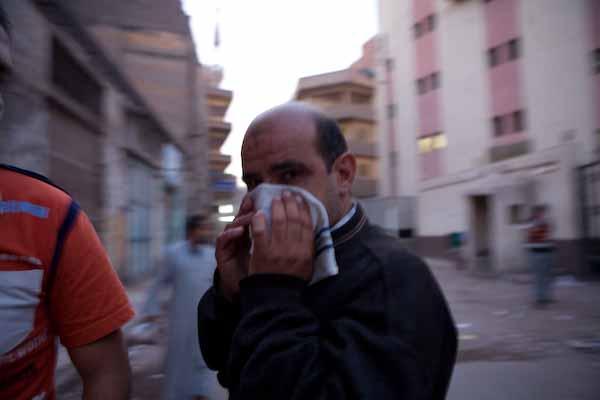
Hundreds of CSF trucks have been deployed around the city and hundreds more within it. Upon approaching the outskirts of Al Mahalla on the night of April 7 one could clearly notice that the security forces were facing stiff resistance on the streets – because tens of these CSF trucks, which were stationed around the city, had their windshields smashed-in (despite the protective metal grids covering them.) Tear gas stings the eyes and irritates the respiratory system upon entering the city itself.
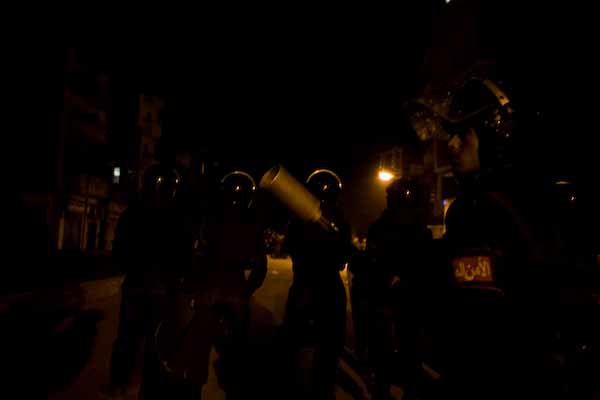
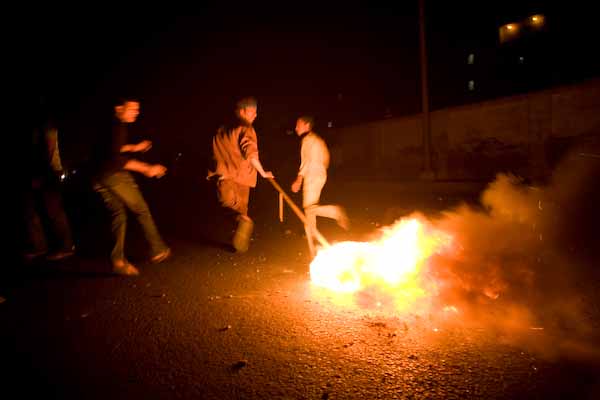
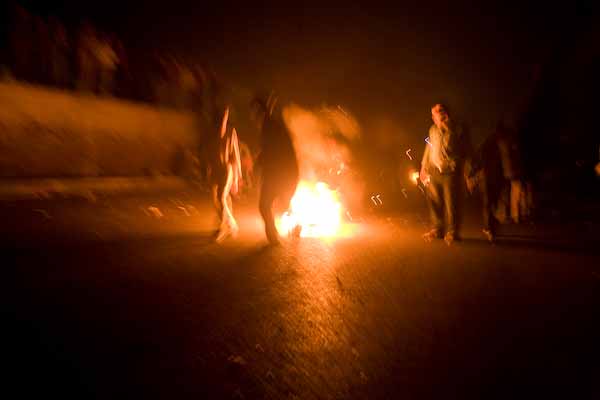
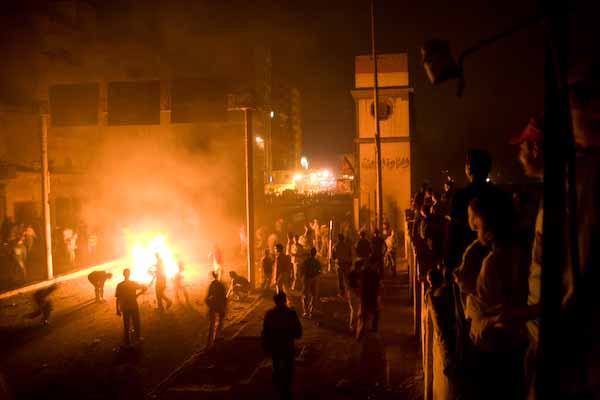
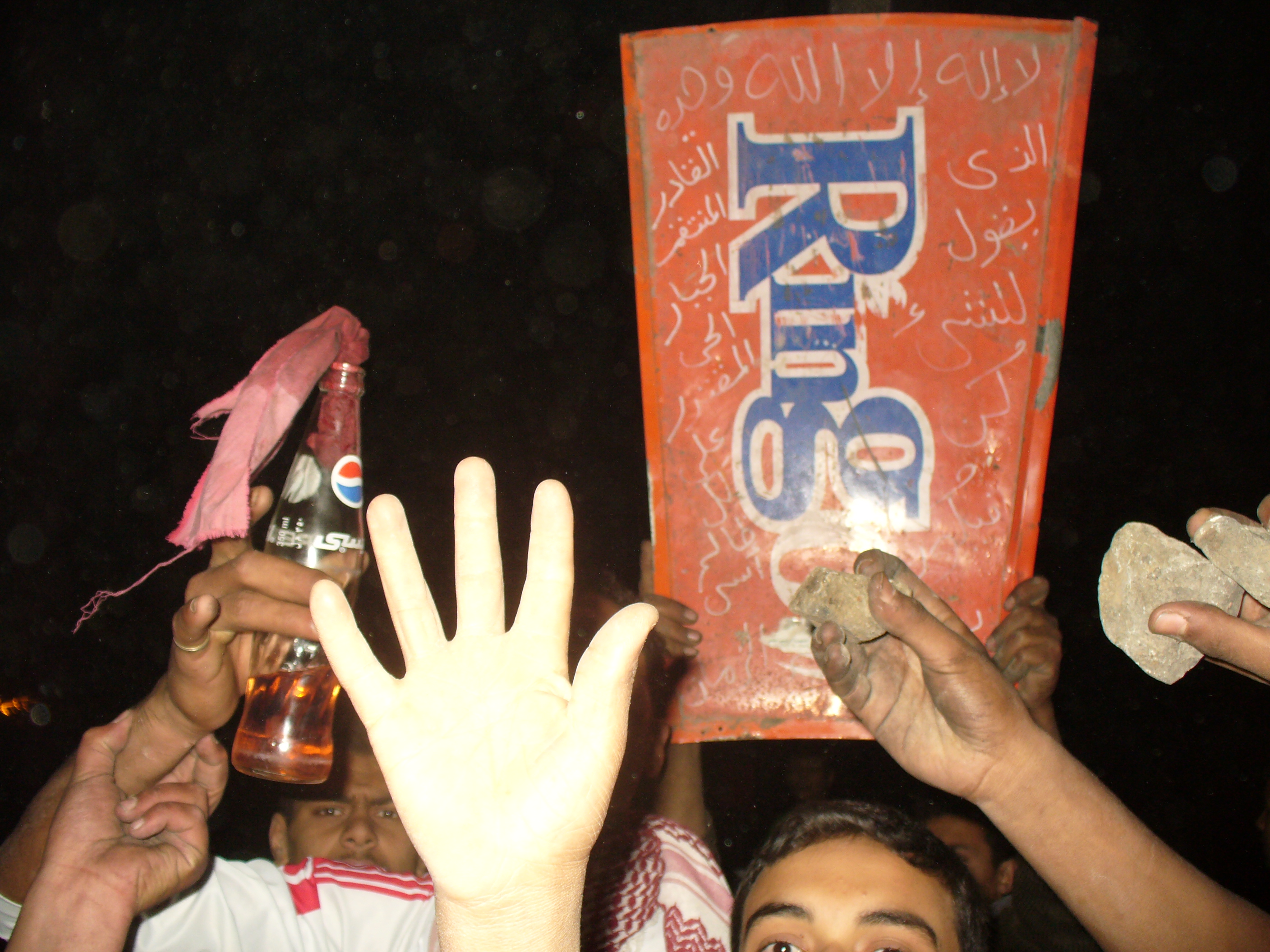
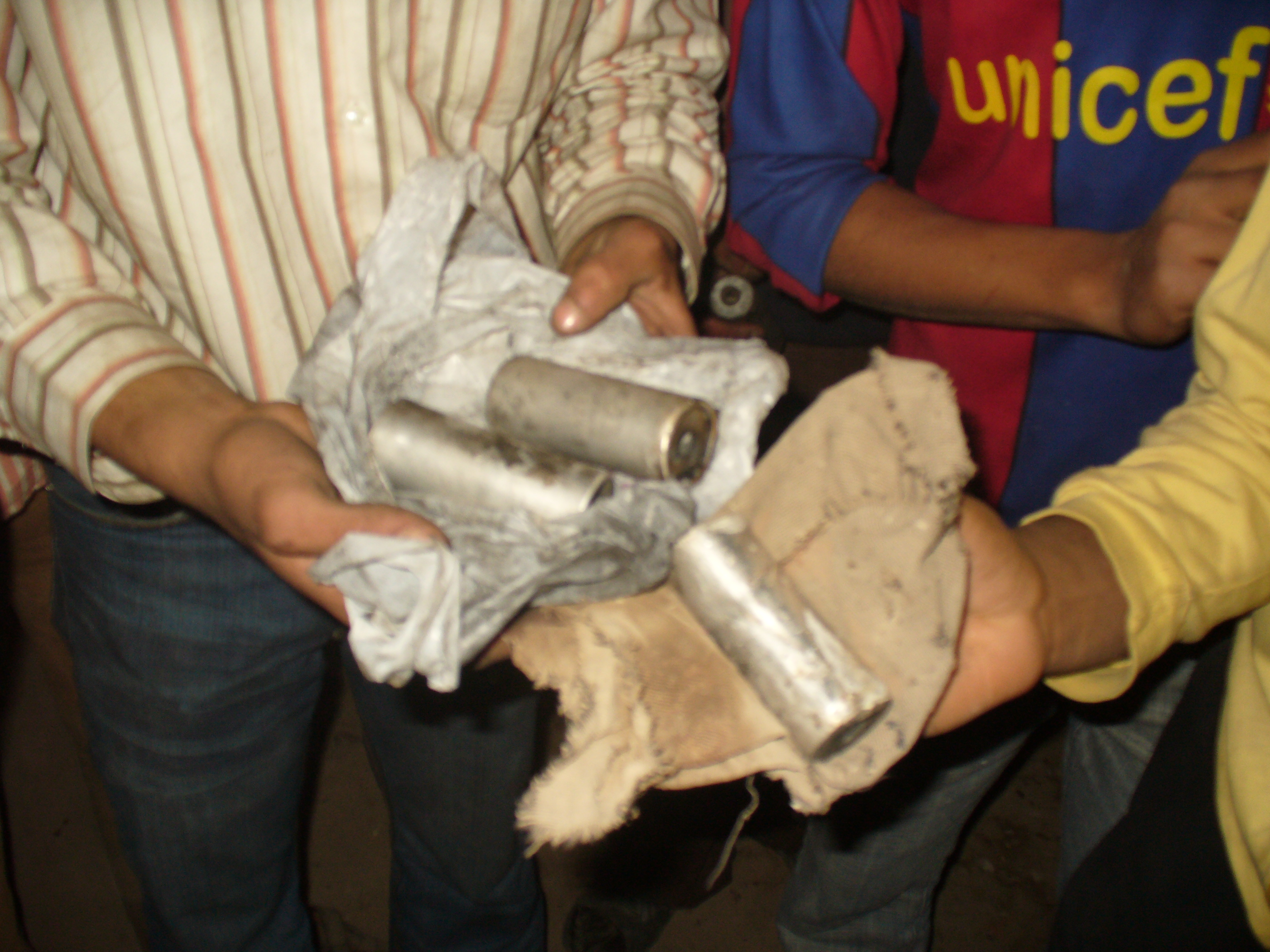
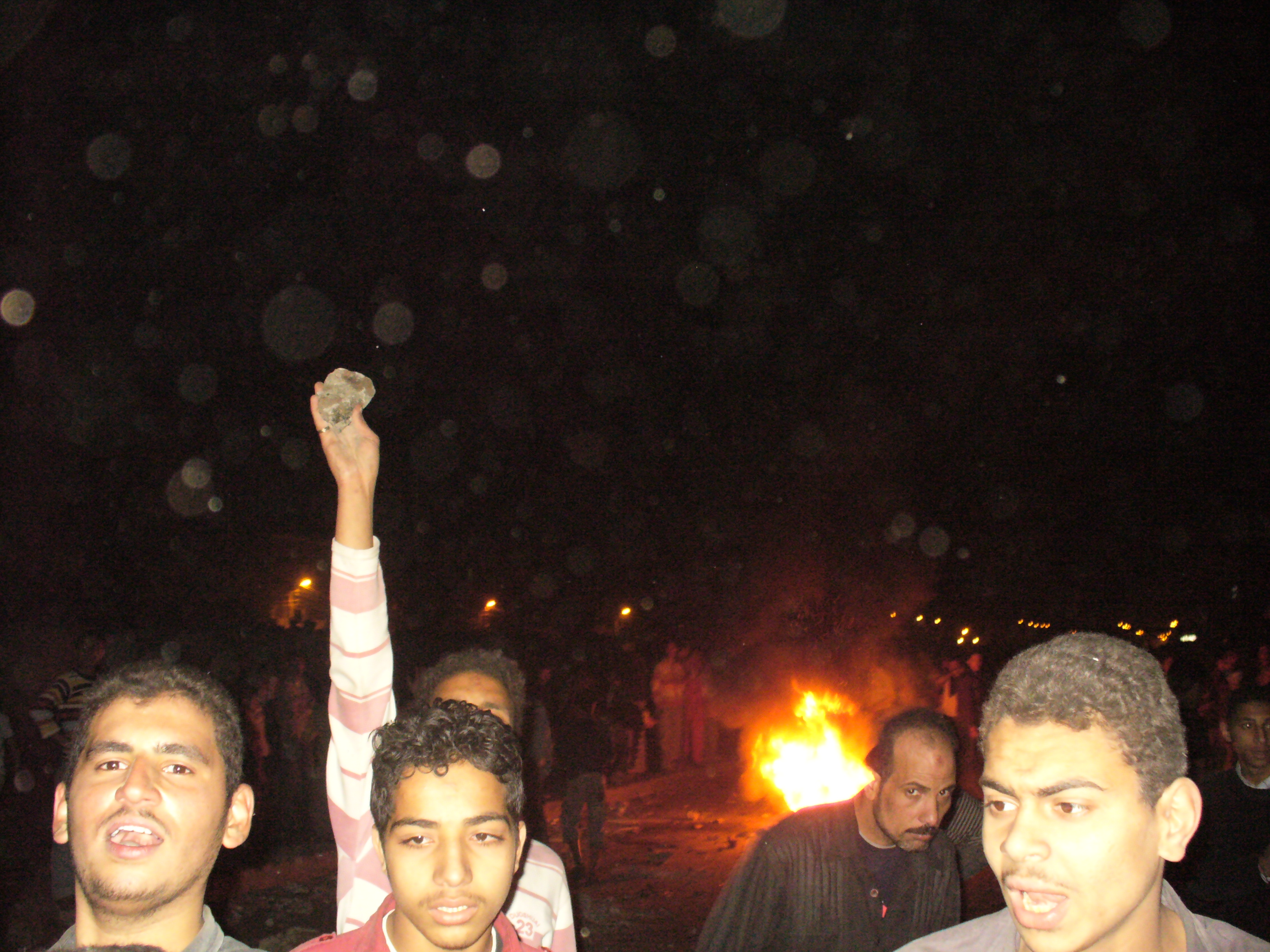
In the neighborhood of Sekket Tanta black clad riot police were firing tear gas canisters at just about anybody on the streets – including women, children, and the elderly; other troops opened fire on protesters using shotgun shells filled with rubber-coated pellets. Yet CSF troops could not disperse the youth protesters on the streets of this neighborhood. Male teenagers, along with (a significant number of unemployed) youths in their early twenties were at the forefront of these clashes with the CSF. Youth rained stones down upon the security forces and hurled Molotov cocktails at them. Clashes in this neighborhood had subsided only after 11pm.
These youths chanted very expressive slogans against Hosni Mubarak, the government, and the interior ministry. Other protesters had destroyed photos and portraits of the Egyptian president that were found on the streets.
Every single resident of Al Mahalla, with whom I spoke, confirmed that the non-violent demonstrations against price increases on April 6 had turned violent only after security forces moved to forcefully disperse demonstrators. Thus a peaceful demonstration quickly turned into a violent expression of popular discontent. Public properties and private enterprises have been the targets of attacks – a microbus was set ablaze, while three schools were torched, and two branches of the local ful & falafel franchise Al-Baghl were partially destroyed. It could’ve been local youth protesters who were behind these acts, or it could very well be the doing of destructive elements deployed by the interior ministry – in order to serve as a pretext for further crackdowns, and/or to tarnish the image of the protesters.
One youth protester said “I don’t know who set fire to the three schools, or why they did so? But I think I understand the motives behind the burning of the microbus and the attack on the Al-Baghl Restaurants. The microbus was a state-owned vehicle, and thus a natural target for attack. As for Al-Baghl, I believe the restaurants were attacked due to popular discontent with rising food prices – only five years ago a ful or falafel sandwich at Al-Baghl cost 35 piasters, it now costs 65 piasters per sandwich.”
Another youth protester on the street asked a member of the riot police “when’s the last time you had a bite to eat? The officers aren’t feeding you poor folks are they?” Looking exhausted and being unable to leave his spot, he quietly replied “we haven’t had anything to eat in nearly 24 hours.”

Some photos taken by Jano:

  • Teargassed by the Police (Photo by Jano Charbel)
  • Molotov Cocktails (Photo by Jano Charbel)
  • Empty Tear Gas Canisters (Photo by Jano Charbel)
  • Rocks and Fires (Photo by Jano Charbel)
  • Teargassed by the Police (Photo by Jano Charbel)
  • Teargassed by the Police (Photo by Jano Charbel)
  • Burnt school in Mahalla (Photo by Jano Charbel)
  • Burnt state-owned van (Photo by Jano Charbel)
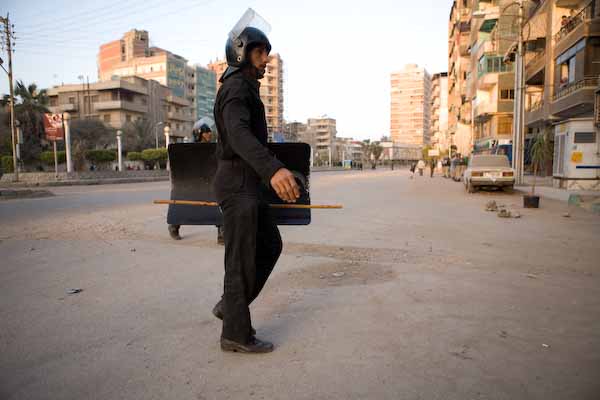
  • Police in Mahalla (Photo by Jano Charbel)
  • Police in Mahalla (Photo by Jano Charbel)
  • Mubarak's poster defaced in Mahalla (Photo by Jano Charbel)
  • Seket Tanta Neighborhood in Mahalla (Photo by Jano Charbel)
  • Seket Tanta Neighborhood in Mahalla (Photo by Jano Charbel)
  • Protesters confronting the CSF (Photo by Jano Charbel)
  • Youth Protesters with Rocks in their hand - CSF about to receive another shower (Photo by Jano Charbel)

UPDATE: It’s confirmed Kareem el-Beheiri is in police custody. He was spotted at the Tanta Prosecutor’s office where he’s undergoing interrogation. Below is a portrait I took of Kareem last January.

UPDATE: Blogger Ahmad Abdel Fattah sent me some photos and video clips from Mahalla:

  • انتفاضة ابريل بالمحلة، عدسة أحمد عبد الفتاح
  • انتفاضة ابريل بالمحلة، عدسة أحمد عبد الفتاح
  • انتفاضة ابريل بالمحلة، عدسة أحمد عبد الفتاح

And here’s an AP report by Paul Schemm:

Police fired tear gas and beat protesters Monday, and demonstrators angry over rising prices and low wages tore down a billboard of Egypt’s president in a second day of violence in a northern Egyptian city.
The clahes began when several hundred young men massed in the main square of the Nile Delta city of Mahalla al-Kobra. They threw rocks at a large advertising billboard of President Hosni Mubarak in the center of the square, then slashed the picture with knives, then toppled the billboard.
Riot police then charged the group, firing heavy volleys of tear gas. Police pulled some of the men to the pavement and beat them with batons or fists. In the melee, other protesters threw stones at police or grabbed canisters of tear gas and threw them back at the police.
At least 25 people were arrested, and 15 protesters and five policemen were hurt in the violence, security officials said, speaking on condition of anonymity because they were not authorized to talk to the press.
The clashes followed similar rioting Sunday, when thousands of demonstrators torched buildings, looted shops and hurled bricks at the police in this gritty industrial town. Sunday’s violence erupted after textile factory workers called off a strike planned for the morning to protest low wages.

On Riots, Violence, Sabotage: Denmark and the US Ghetto Intifadas

Posted on 17/02/200831/01/2021 By 3arabawy

“The good news is that we’ve made a lot of arrests”… thus spoke Michael Hoejer, the Danish deputy national police commissioner, to the public on the ongoing riots by immigrant youths against the Danish police brutality and racism.

So the first mass scale rebellion came from the immigrants in France, and now Denmark. There’s no reason to say similar events cannot happen in Italy and Spain on that scale. After all, these are countries where Arab and African immigrants are eating shit.

And don’t you ever think for one moment that those rioters’ violence in Denmark is random. They are targeting cars they will never afford, schools they don’t have access to or treated like shit at, and the list goes on. In other words, they are targeting symbols of wealth, power and economic repression in a racist/classist country… not the fucking cartoons… it doesn’t matter what the trigger was… the trigger could be an extremely trivial event.. (remember the French May ’68?)

I posted previously about the Egyptian January 1977 Bread Intifada, with a special focus on the violence (that the media has always depicted sensationally), and why it was explainable if not justified. But there’s wide variety of sociological literature on riots, and it’s always useful to look at examples from other countries.

Conservatives tend to take a criminological approach to riots. Encyclopedia Britannica defines riot, for example, as an “offense against public order involving three or more people and the use of violence, however slight. Like an unlawful assembly, a riot involves a gathering of persons for an illegal purpose. Unlike an unlawful assembly, however, a riot includes violence.”[1] Ralf Conant’s book on the prospects of revolutions in the US expressed concerns for the growing instability in the American society in the 1960s. When defining the act of rioting, he stresses the spontaneous nature of the participants’ behavior, in addition to the lack of “premeditated purpose, plan, or direction, although systematic looting, arson, and attack on persons usually occur once a riot is under way.”[2] However, a task force report submitted to the American National Commission on the Causes and Prevention of Violence, set up to investigate the ghetto riots, tried to challenge the official conception of riots. The academics and lawyers, who were members of the task force, were neither radicals, nor did they advocate riots as a means of changing the status quo. They had the same concerns for the “stability” of the American society, but they advocated a new approach and means of social control that could address the grievances behind the riots. The report criticized some of the conventional theories on the subject. First, such theories “tend to focus on the destructive behavior of disaffected groups while accepting the behavior of authorities as normal, instrumental and rational.”[3] The report pointed out the “destruction”, or the violent behavior, of the forces of the state, can be, and usually is, more “destructive.” Second, these theories “tend to describe collective behavior [i.e., riots] as irrational, formless and immoderate.”[4] The report refuses such assumption; instead it argues that the rioters:

… show a considerable degree of structure, purposiveness, and rationality. Nor is “established” behavior necessarily guided by rational principle. While the beliefs underlying a riot may frequently be inaccurate or exaggerated, they are not necessarily more so than, for example, commonly held beliefs about racial minorities by dominant groups… [concerning] the causes of crime… [and] threats to internal security, and so forth. A measure of irrationality, then, is not a defining characteristic of collective behavior generally or of riots in particular; rather, it is an element of many routine social processes and institutions and forms of collective behavior.[5]

Moreover, continues the report, the so-called “inappropriateness” of riots is relative, depending upon whether there are alternative channels for action or not. The actors use rioting as a means of expressing their political demands in absence of the “normal channels.”[6] It is wrong to view the rioters’ violent behavior as “abnormal,” or as resulting merely from “tensions.” One should not attribute the whole phenomenon to psychological factors and neglect the political dimension. Violence of marginalized groups cannot be compared to the more severe systematic violence of the state. In addition, the rioters usually believe that the use of violence could pressure the state to concede to their own demands, and actually that was true in several cases.[7]

The radical literature, on the other hand, emphasizes the resistance side of riots, and their importance as an expression of defiance to the system. Studying the dynamics of the ghetto riots in the US, Herbert J. Gans considers riots in general as a form of rebellion. Incidents of looting and property destruction, included in the riot, are not impulsive acts, as “in most cases, people destroy or loot only the property of those who have exploited them.”[8] Gans compares the rioting situation to a carnival, not because of the irrationality of the rioters, rather:

They are happy at the sudden chance to exact revenge against those who have long exploited and harassed them. The rebellion becomes a community event; … people feel they are acting together in a way that they rarely can. But, most important, the destruction and looting allows ghetto residents to exert power.[9]

When studying the 1992 Los Angeles riots, triggered by police racist brutality, Alex Callinicos refuses both the idea portrayed by the media about the mass irrationality of rioters, and “race” being the factor behind it. Instead he focuses on the class dynamics of riots. Callinicos examines the economic context of LA, and the impoverishment that hit the city as a result of the austerity measures taken by Regan and Bush (the daddy), better known as “Reganomics.” These measures affected the working class from all ethnicities, not only the blacks. The rioting was of multi-ethnic nature, coming as a reaction of the urban poor against impoverishment and police oppression. The main target for the looting and property destruction was the Korean businesses. However, Callinicos denies “ethnicity” as a factor in making such businesses a target. It is the socioeconomic role played by Koreans merchants that made them a target for the anger and discontent of the masses in LA. The vast majority of Koreans act as entrepreneurs providing “valuable retail access to the ghetto for [big corporations]… without putting whites at risk.”[10] Callinicos is clear about that the “Korean merchants are not the chief exploiters of the black and Latino poor… [b]ut Asian shopkeepers are the only visible, directly accessible representatives of the system responsible for the poverty and degradation suffered by the mass of blacks and Latinos.”[11]

So back to Denmark. To cut a long story short, until the European governments start respecting the rights of immigrants in their countries and treat them equally, and until they stop sending their troops to our region, and until they stop supporting our dictators— expect more embassies torched down in the Middle East and more riots in Europe.

1 Encyclopedia Britannica On Line.
2 Ralph W. Conant, The Prospects For Revolution: A Study of Riots, Civil Disobedience, and Insurrection in Contemporary America (New York: Harper’s Magazine Press 1971), 22.
3 Jerome H. Skolnick. The Politics of Protest: A Task Force Report Submitted to the National Commission on the Causes and Prevention of Violence (New York: Simon And Schuster 1969), 335.
4 Ibid., 335.
5 Ibid., 335-6.
6 Ibid., 336-7.
7 Ibid., 340-1.
8 Herbert J. Gans. “The Ghetto Rebellions and Urban Class Conflict,” in Robert H. Connery, ed., Urban Riots: Violence and Social Change (New York: Colombia University 1968), 43.
9 Ibid., 43.
10 Alex Callinicos, Race and Class (London: Bookmarks 1998), 55.
11 Ibid., 55.

  • Previous
  • 1
  • …
  • 7
  • 8
  • 9
  • …
  • 11
  • Next

Search 3arabawy

Follow 3arabawy

  • Facebook
  • Flickr
  • Instagram
  • X
  • YouTube
©2025 3arabawy